 Mon - Fri: 9:00 - 19:00 GTM




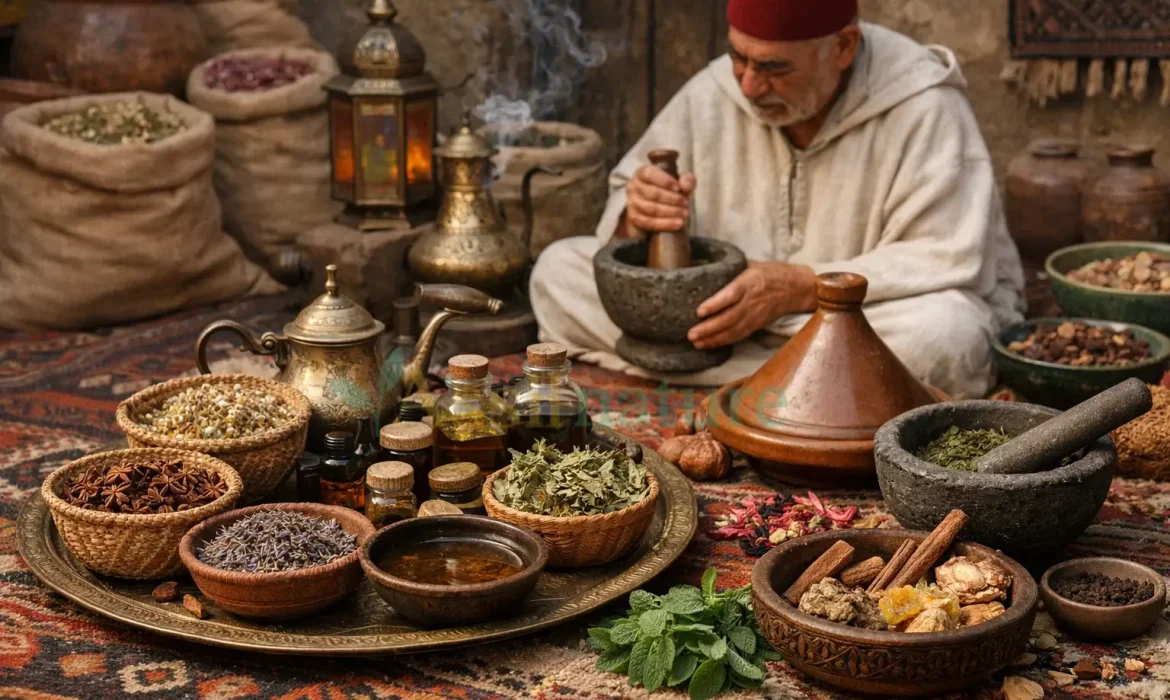

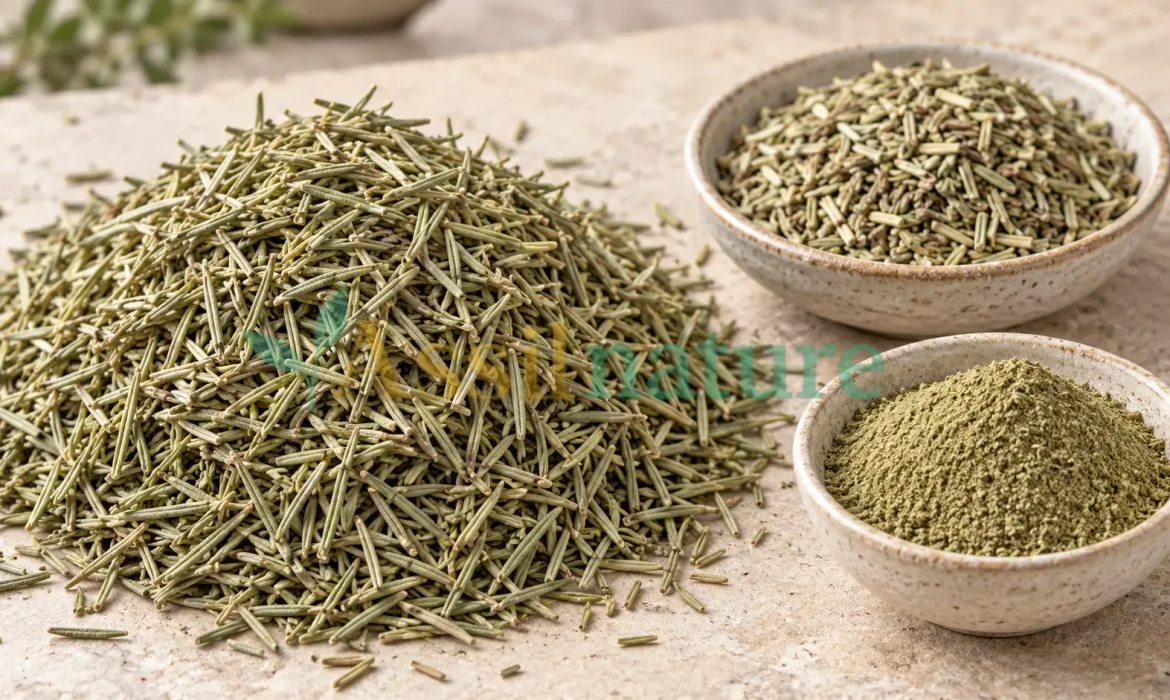
The Moroccan rosemary export market serves buyers across food manufacturing, botanical ingredients, herbal products, cosmetics and industrial extraction. Commercial demand is not based on origin alone; it depends on the required product form, quality specification, documentation, volume and suitability for the buyer’s application.
Morocco has an established medicinal and aromatic plant sector and access to both wild-collected and cultivated rosemary supply chains. This creates opportunities for exporters and international buyers, but the market is not uniform. Whole leaves, cut rosemary, powder and extraction raw material represent different purchasing needs and should not be treated as one interchangeable commodity.
The purpose of this guide is to explain where commercial demand comes from, which industries purchase Moroccan rosemary, how buyer expectations differ and which factors shape export opportunities. Detailed supplier qualification and quotation procedures are covered separately in our bulk Moroccan rosemary sourcing guide .
Is There International Demand for Moroccan Rosemary?
Yes. Moroccan rosemary is relevant to international buyers who require dried aromatic botanical material for seasoning, herbal blends, ingredient processing, cosmetic applications or extraction. However, demand is specification-driven: buyers purchase a defined form and quality level rather than Moroccan origin in isolation.
Commercial opportunity is strongest when the supplier can connect origin with consistent preparation, representative samples, suitable testing, batch traceability and reliable export execution.
Morocco’s Position in the Rosemary Export Market
Morocco’s commercial position in the rosemary trade is connected to its Mediterranean botanical environment, established aromatic-plant supply chains and geographic access to European, Atlantic and wider international shipping routes.
These advantages can support export activity, but they do not automatically make every Moroccan rosemary batch suitable for every buyer. Commercial performance still depends on collection or cultivation practices, post-harvest handling, processing capacity, documentation and the ability to meet a defined specification.
Botanical Identity in International Trade
Rosemary is botanically identified as Salvia rosmarinus. The former name Rosmarinus officinalis continues to appear widely in purchasing specifications, laboratory reports, customs descriptions and technical literature.
Both names may therefore appear in commercial communication, but product documents should use them consistently. Buyers requiring further clarification can consult our guide to Salvia rosmarinus and Rosmarinus officinalis .
Wild and Cultivated Supply Channels
Moroccan rosemary can enter the market through wild collection, cultivated production or structured supply networks combining several sources. Wild-collected material may appeal to buyers interested in natural-origin positioning, while cultivated production may support planned agricultural management and supply scheduling.
Neither model guarantees superior quality by itself. Buyers should assess traceability, harvesting period, drying, batch formation and testing rather than relying only on the terms “wild” or “cultivated.”
A detailed commercial comparison is available in our article on wild versus cultivated rosemary .
Why Morocco Can Serve Different Buyer Segments
Origin as a Commercial Advantage—Not a Quality Certificate
Moroccan origin can support storytelling, traceability and supply-chain differentiation. Nevertheless, origin should not be presented as proof of active-compound content, pesticide compliance, microbiological quality or extraction yield.
Those characteristics belong to the specific material and must be evaluated through representative samples, agreed specifications and appropriate testing. This distinction helps professional buyers avoid both exaggerated origin claims and unnecessary rejection of commercially suitable material.
What Makes Moroccan Rosemary Competitive?
Moroccan rosemary becomes commercially competitive when origin is combined with suitable quality, processing, traceability, documentation, scalable preparation and reliable delivery. The strongest advantage is not origin alone, but the supplier’s ability to translate that origin into material that meets a buyer’s defined requirements.
Industries Driving Demand for Moroccan Rosemary
Demand in the Moroccan rosemary export market comes from several industries with different technical and commercial expectations. A food manufacturer, an extraction company and a botanical distributor may all purchase dried rosemary, but they do not necessarily require the same form, grade, tests or documentation.
Understanding these differences allows exporters to avoid positioning one generic product as suitable for every application. It also helps buyers communicate specifications that reflect their actual manufacturing process.
Food Manufacturing and Seasoning
Food manufacturers use rosemary in seasoning blends, sauces, processed foods, marinades and other formulations requiring a recognizable aromatic profile. Buyers may request whole leaves, a defined cut size or powder depending on how the ingredient will be mixed, filled or dispersed.
Commercial evaluation can include aroma, color, cleanliness, particle size, moisture, microbiology, pesticide residues and foreign matter. Sensory consistency is important, but food-market suitability also depends on the applicable destination and customer requirements.
Herbal Infusions and Botanical Products
Herbal brands, tea blenders and botanical-product manufacturers may use rosemary alone or as part of a multi-herb formulation. These buyers often value visible botanical identity, controlled cut size, clean presentation and consistent handling.
Whole or carefully cut leaves may be preferred when the product remains visible to the consumer. Powder may be more relevant when rosemary is incorporated into a blended or encapsulated preparation, subject to the buyer’s regulatory and manufacturing framework.
Botanical Extraction
Extraction companies evaluate rosemary as an industrial raw material rather than only as an aromatic herb. Their purchasing decisions may involve carnosic acid, rosmarinic acid, moisture, contaminants, particle size, extraction method and expected yield.
Appearance and aroma alone cannot establish extraction suitability. Representative analytical testing and pilot processing may be required before a buyer approves a large commercial batch.
Technical requirements for this market are explained in our guide to rosemary raw material for industrial extraction .
Cosmetic and Personal-Care Manufacturing
Cosmetic manufacturers and ingredient processors may purchase rosemary for further transformation or incorporation into botanical formulations. Requirements depend on whether the buyer needs dried plant material, an extract feedstock or another processed rosemary ingredient.
Buyers in this sector may focus on identity, traceability, contaminants, manufacturing consistency and documentation connected to the intended cosmetic application. Dried rosemary should not be confused with rosemary essential oil or a standardized rosemary extract, which are separate commercial products.
Ingredient Distributors and Wholesalers
Importers, distributors and wholesalers purchase rosemary for resale to manufacturers, local processors, retailers or professional herbal businesses. Their demand may cover several grades because they serve customers with different price and quality expectations.
Distributors commonly evaluate availability, packaging efficiency, shelf-life conditions, document consistency and the supplier’s ability to support repeat orders. They may also request territory-specific labels or documents for their regional market.
Contract Manufacturers and Private-Label Operators
Contract manufacturers source rosemary on behalf of brands or finished product companies. Their specification may combine the brand’s quality expectations with the manufacturer’s internal processing and compliance procedures.
These projects usually require early clarification of the product form, annual volume, testing responsibility, packaging, change-notification procedure and approval timeline.
| Buyer Segment | Common Commercial Form | Main Evaluation Priorities |
|---|---|---|
| Food manufacturers | Whole, cut or powdered rosemary | Aroma, particle size, hygiene, residues and consistency |
| Herbal brands and tea blenders | Whole leaves or controlled cuts | Botanical identity, appearance, cleanliness and cut distribution |
| Extraction companies | Leaves, cut material or extraction-grade raw material | Active compounds, moisture, contaminants, yield and batch uniformity |
| Cosmetic processors | Botanical raw material for further processing | Identity, traceability, contaminants and process suitability |
| Importers and distributors | Multiple forms and commercial grades | Price structure, documentation, packaging and repeat availability |
| Contract manufacturers | Buyer-specific form and specification | Specification control, testing, change management and scheduling |
Which Buyers Offer the Strongest Commercial Opportunity?
The most valuable opportunity is not defined only by industry size. Commercial potential is stronger when the buyer has a clear specification, realistic volume, workable compliance requirements, reliable payment conditions and repeat purchasing potential.
Market Demand by Rosemary Product Form
International demand for Moroccan rosemary cannot be measured as one single market. Buyers purchase different product forms according to their equipment, manufacturing process, customer expectations and target price.
Whole leaves, cut rosemary, powder and extraction raw material may originate from the same plant, but each form serves a different commercial purpose and carries distinct processing, quality and packaging requirements.
Whole Dried Rosemary Leaves
Whole dried leaves are relevant to buyers who want visible botanical identity, limited processing and the ability to perform their own cutting, blending or extraction after import. This form may be requested by herbal brands, ingredient distributors, tea blenders and processors.
Commercial demand depends on leaf integrity, natural color, aroma, cleanliness and an acceptable level of stems and foreign matter. Buyers should define whether they require predominantly separated leaves or rosemary containing a controlled proportion of small stems.
Cut Rosemary
Cut rosemary is used when manufacturers need material that can enter blending, filling or food-processing operations with less preparation. Buyers may request a defined cut range rather than a general description such as “small cut” or “standard cut.”
Demand for cut rosemary is influenced by particle-size consistency, dust content, visual quality, screening and the presence of oversized pieces. A tighter cut specification can increase processing requirements and reduce the usable yield from the initial raw material.
Dried Rosemary Powder
Rosemary powder serves manufacturers that require a ground botanical ingredient for blending, seasoning, formulation or further processing. Demand may be expressed through a mesh size, sieve range or application- specific texture.
Powder requires greater attention to milling hygiene, foreign-material control, heat exposure, particle-size consistency and packaging. Visual identification becomes more difficult after grinding, which increases the importance of raw-material control and batch traceability.
Rosemary for Industrial Extraction
Extraction demand is driven by the performance of rosemary as a botanical feedstock. Buyers may evaluate active compounds such as carnosic acid or rosmarinic acid, depending on the extract and process being developed.
A visually premium culinary grade is not automatically the most economical extraction material. Extraction companies consider dry matter, target compounds, contaminants, particle preparation, extraction yield and the consistency of larger batches.
Why Product Form Changes the Export Opportunity
| Product Form | Typical Buyer Need | Processing Value | Key Commercial Risk |
|---|---|---|---|
| Whole leaves | Visible identity and flexible downstream processing | Limited transformation before export | Stems, breakage and inconsistent cleanliness |
| Cut rosemary | Material ready for blending or filling | Cutting, screening and particle control | Excess fines or failure to meet the requested cut range |
| Powder | Direct incorporation into formulations | Milling and mesh control | Identity, contamination and particle inconsistency |
| Extraction material | Industrial recovery of target compounds | Analytical and process-based qualification | Variable composition or unsuitable extraction performance |
Buyers comparing these formats can review our practical guide to whole, cut and powdered rosemary . The appropriate choice depends on the industrial process rather than on one form being universally better.
Which Rosemary Form Has the Highest Demand?
There is no single form that dominates every market. Whole and cut rosemary serve visible botanical and food applications, powder supports formulation needs, and extraction material serves processors focused on target compounds. The strongest opportunity depends on the supplier’s processing capacity and the specification required by the buyer.
What Drives International Demand for Moroccan Rosemary?
Demand for Moroccan rosemary is shaped by a combination of industrial use, product performance, sourcing strategy and commercial feasibility. Buyers do not purchase rosemary simply because it is a natural herb; they purchase it because a particular form can meet a manufacturing, formulation, extraction or distribution requirement.
The importance of each demand driver differs by sector. Food manufacturers may prioritize sensory consistency and microbiological quality, while extraction companies may focus on active compounds and dry-matter value. Distributors may place greater emphasis on pricing, packaging and repeat availability.
Demand for Natural Botanical Ingredients
Rosemary participates in the broader commercial market for botanical ingredients used in foods, herbal products, cosmetics and plant-based formulations. Its established identity, aromatic profile and multiple processing options allow it to serve several professional applications.
The term “natural” does not remove the need for technical evaluation. Buyers still require clear identification, suitable processing and evidence that the material meets the applicable safety and quality requirements.
Versatility Across Several Industries
One reason rosemary remains commercially relevant is that the same botanical species can enter different supply chains. Whole leaves may serve visible herbal products, cut material may support industrial blending, powder may enter formulations and selected raw material may be evaluated for extraction.
This versatility expands the range of potential buyers, but it also creates the need for precise positioning. A supplier should describe the offered form and grade accurately instead of presenting one batch as universally suitable.
Buyer Diversification of Supply Origins
Importers and manufacturers may evaluate more than one producing country to reduce dependence on a single source, compare seasonal availability or develop alternative grades. Morocco can enter this strategy as a distinct botanical origin with access to both natural and cultivated supply structures.
Approval as an alternative origin requires more than competitive pricing. The buyer must be able to compare the Moroccan material with an existing specification, reference sample or production requirement.
Demand for Extraction Raw Material
Interest in rosemary extracts creates a separate demand channel for dried botanical material. Extraction buyers may screen rosemary for carnosic acid, rosmarinic acid or other compounds relevant to their process and target extract.
This market can generate substantial volume requirements, but it is also specification-sensitive. A large quantity has limited value if active compounds, moisture, contaminants or batch consistency do not meet the processor’s requirements.
Quality-to-Price Balance
Buyers do not always seek the lowest-priced rosemary or the most visually premium grade. They seek the quality level that is economically appropriate for the final application.
A culinary brand may pay more for appearance and a controlled cut, while an extraction company may prioritize analytical performance and usable dry matter. An experienced distributor may require several grades for customers with different price positions.
| Demand Driver | Commercial Effect | Supplier Response |
|---|---|---|
| Botanical ingredient demand | Creates opportunities across food, herbal and cosmetic supply chains | Position each product for a defined application |
| Multiple product forms | Expands the range of potential industrial buyers | Control whole, cut and powdered specifications separately |
| Origin diversification | Encourages buyers to evaluate Morocco alongside existing sources | Provide comparable samples, specifications and documentation |
| Extraction applications | Can create demand for technically qualified bulk material | Use representative testing and realistic batch qualification |
| Price-to-quality optimization | Supports multiple grades and buyer segments | Explain what processing, testing and packaging the quotation includes |
| Supply reliability | Influences repeat purchasing and supplier approval | Confirm qualified capacity, seasonality and realistic lead time |
Repeatability as a Demand Multiplier
A successful trial order can lead to recurring demand when later shipments remain within the agreed quality range. For professional buyers, repeatable supply can be more valuable than an exceptional sample that the supplier cannot reproduce commercially.
Repeatability depends on batch definition, sourcing control, processing, storage and communication when material conditions change. This makes supplier organization an important part of market competitiveness.
Does High Global Interest Guarantee a Sale?
No. General interest in natural ingredients does not guarantee demand for a specific batch. A commercial sale occurs when the rosemary matches a buyer’s form, specification, price range, documentation, volume and delivery requirements.
Export Markets and Regional Buyer Expectations
Moroccan rosemary can serve buyers in Europe, Asia, North America, the Middle East and Africa. However, geographic interest should not be confused with automatic market access. Each shipment must be evaluated according to its destination, intended use, customs classification and buyer specification.
Even within the same country, an extraction company, food importer and cosmetic manufacturer may apply different quality limits and documentation procedures. The following regional overview therefore describes common commercial priorities rather than universal legal requirements.
European Market
European buyers may include spice companies, herbal-product manufacturers, extraction businesses, cosmetic processors and ingredient distributors. Purchasing decisions frequently involve traceability, pesticide residues, microbiological parameters, contaminants and documented product specifications.
The phrase “EU compliant” should not replace a detailed request. The buyer should define the applicable product category, intended use, required test panel and customer-specific limits. Depending on the application, some buyers may also request information concerning pyrrolizidine alkaloids, tropane alkaloids, treatment status or other risk-based parameters.
Buyers preparing an EU-focused specification can consult our guide to rosemary pesticide residues and EU compliance .
Asian Market
Asian demand can include food ingredients, botanical extraction, herbal manufacturing, distribution and cosmetic applications. Some extraction buyers may request large volumes together with defined active-compound percentages, moisture limits and pesticide requirements.
Import procedures differ significantly between countries. Buyers and suppliers should confirm whether registration, plant-health documents, laboratory reports, treatment declarations or destination-language labels are required before shipment.
Logistics must also be considered early. Full-container, partial-container and airfreight availability can differ by destination, and landed cost may be affected by consolidation and local handling charges.
North American Market
North American buyers may source rosemary for food, tea, supplements, cosmetics, extraction or distribution. Supplier qualification can include facility information, preventive-control expectations, traceability, specification review and contaminant testing.
Requirements depend on whether the material enters as a food ingredient, botanical raw material, cosmetic input or another category. The importer should communicate any facility-registration, prior-notice, labeling or customer-audit expectations before order confirmation.
Middle Eastern and North African Markets
Regional markets can create opportunities for culinary, herbal, wholesale and industrial rosemary. Geographic proximity may support transport and communication, but price competition can be strong and buyer specifications may vary considerably.
Some buyers prioritize commercial grade and volume, while others require premium leaf appearance, defined cuts or branded packaging. Suppliers should avoid assuming that regional proximity means simplified quality or document requirements.
Sub-Saharan African Markets
Demand may come from food distributors, herbal traders, processors and wholesalers seeking commercial quantities. Price, transport efficiency, packaging durability and reliable port delivery may have a strong influence on purchasing decisions.
Import routes, port charges, container planning and local clearance conditions should be verified before offering a delivered price. A competitive unit price can become commercially unsuitable when logistics are not calculated accurately.
| Market Region | Potential Buyer Types | Common Commercial Priorities | Points to Confirm |
|---|---|---|---|
| Europe | Food, herbal, cosmetic and extraction companies | Traceability, contaminants, residues and documentation | Intended use, test panel and buyer-specific limits |
| Asia | Extractors, manufacturers, importers and distributors | Active compounds, volume, consistency and landed cost | Registration, documents, labels and available freight mode |
| North America | Food, tea, botanical, cosmetic and supplement businesses | Supplier qualification, safety controls and traceability | Product category, importer procedures and facility expectations |
| Middle East and North Africa | Wholesalers, food companies, herbal traders and retailers | Price, appearance, packaging and supply availability | Grade, labeling, documents and delivery conditions |
| Sub-Saharan Africa | Distributors, processors, wholesalers and herbal businesses | Competitive cost, packaging strength and transport reliability | Port, container planning, clearance and total landed cost |
How Exporters Should Prioritize Markets
A supplier should not target every market with the same product and message. Market prioritization should consider the available grade, testing capacity, certification status, achievable price, order volume, logistics and the ability to satisfy recurring demand.
Which Export Market Is Best for Moroccan Rosemary?
There is no universally best destination. The strongest market is the one where the available rosemary grade, supplier capabilities, compliance costs, logistics and buyer demand align to create a sustainable commercial transaction.
Quality Factors That Influence Market Access
Quality in the rosemary export market is not limited to strong aroma or attractive green leaves. Commercial quality means that the material is suitable for a defined application and remains within the agreed parameters throughout sampling, production and delivery.
Buyers may initially evaluate appearance and aroma, but supplier approval usually depends on a wider combination of physical specifications, analytical results, traceability, documentation and batch consistency.
Botanical Identity
Correct identification is the starting point for every commercial evaluation. The product should correspond to Salvia rosmarinus, with Rosmarinus officinalis included as a recognized synonym where useful.
Identity becomes especially important after cutting or milling because the plant is more difficult to evaluate visually. Suppliers should maintain traceability from the incoming raw material to the processed batch.
Moisture and Storage Stability
Moisture influences weight, storage stability, microbiological risk and the usable dry matter received by the buyer. A maximum moisture value should be agreed together with the test method when it forms part of the purchasing specification.
Low moisture alone does not guarantee good quality. Excessive or poorly controlled drying can affect aroma, color and physical integrity, while unsuitable storage can reintroduce moisture after processing.
Foreign Matter and Stem Content
Foreign matter, dust and excess stems affect the usable yield and visual quality of dried rosemary. Acceptable levels depend on the grade and application. Extraction material and premium visible-leaf products may have different commercial tolerances.
Buyers should define measurable limits or approve a representative visual reference. Descriptions such as “clean,” “premium” or “export quality” are insufficient when the parties interpret them differently.
Color and Aromatic Profile
Natural green to grey-green color and characteristic rosemary aroma support sensory evaluation. Significant discoloration or musty, fermented and foreign odors may indicate unsuitable drying, storage or handling.
Sensory characteristics remain important, but they cannot verify pesticide compliance, active compounds, microbiological status or contaminants.
Microbiological Quality
Microbiological requirements depend on the intended use and the buyer’s process. Food and herbal-product manufacturers may define limits for total counts, yeasts and molds, specified pathogens or other parameters.
Buyers should also state whether they require untreated material or a validated decontamination process. A request for low microbiological limits should not automatically be interpreted as permission to apply a treatment.
Pesticide Residues and Contaminants
Residue and contaminant testing can determine whether rosemary is suitable for a destination or customer. The required scope may include pesticide residues, heavy metals, mycotoxins or other risks identified by the buyer.
Claims such as “wild,” “natural” or “grown without pesticides” do not replace representative testing when analytical compliance forms part of the order.
Active-Compound Profile
Extraction buyers may require quantitative results for carnosic acid, rosmarinic acid or other compounds. The analytical method, reporting basis and representative batch must be agreed because results can vary with sampling, preparation and laboratory procedure.
Our technical articles explain rosemary chemical composition and carnosic acid and HPLC testing of carnosic acid in rosemary .
| Quality Factor | Market Importance | Appropriate Verification |
|---|---|---|
| Botanical identity | Confirms that the correct plant material enters the supply chain | Traceability, botanical inspection and suitable identity methods |
| Moisture | Affects stability, net dry matter and processing behavior | Agreed laboratory or validated in-house method |
| Foreign matter and stems | Influences usable yield, appearance and grade | Physical separation, percentage limits and visual reference |
| Microbiology | Supports safety and process suitability | Defined organisms, limits and recognized methods |
| Residues and contaminants | Can determine destination-market acceptance | Representative batch testing against applicable limits |
| Active compounds | Important for extraction and standardized ingredient projects | Agreed HPLC or another suitable quantitative method |
Buyers preparing physical acceptance limits can consult our detailed guide to dried rosemary quality specifications .
Does “Export Quality” Represent a Standard Grade?
No. “Export quality” is a commercial expression, not a complete universal specification. The buyer and supplier must define the physical, analytical, packaging and documentation requirements that determine acceptance for the intended market.
Commercial Opportunities and Market Challenges
The Moroccan rosemary export market offers opportunities across food, herbal, cosmetic and extraction supply chains. However, commercial success depends on matching the available material with the correct buyer segment rather than attempting to sell one grade to every market.
The most sustainable opportunities combine realistic supply capacity, value-adding preparation, appropriate testing and repeat purchasing. Large inquiries can appear attractive, but they should be qualified carefully before the supplier invests in processing or laboratory work.
Opportunity: Supplying More Than One Commercial Grade
Different buyers can use different parts of the same rosemary supply chain. A visually clean whole-leaf grade may serve premium herbal or food applications, while a controlled cut may suit industrial blending and another qualified grade may be evaluated for extraction.
Grade segmentation can improve the value recovered from available material, provided that each grade is described honestly and kept traceable. Lower grades should not be presented as premium material, and premium preparation costs should not be applied where the buyer does not need them.
Opportunity: Value-Added Processing
Cleaning, sorting, cutting, screening, milling and controlled packaging can move rosemary from a general raw herb into a product prepared for a defined industrial use.
Processing only creates value when it solves a buyer’s problem. Milling rosemary without an agreed mesh or cutting material without a requested range may reduce flexibility rather than improve the commercial offer.
Opportunity: Extraction-Oriented Supply
Extraction companies may require significant quantities when rosemary meets analytical and process requirements. This creates an opportunity for suppliers capable of organizing representative batches, moisture control, HPLC testing and repeatable preparation.
The opportunity should not be based on assuming a high active-compound percentage. The supplier should test representative material and avoid guaranteeing results from aroma, color, region or a small unrepresentative sample.
Opportunity: Long-Term Procurement Programs
Recurring supply relationships can improve harvest planning, stock allocation, packaging preparation and testing efficiency. They can also allow the buyer and supplier to develop realistic quality ranges rather than renegotiating every shipment from the beginning.
Long-term cooperation normally develops after successful sampling, trial orders and reliable execution. Forecast volumes should not be treated as confirmed purchase commitments unless the parties document them as such.
Challenge: Price Competition
Rosemary is available from several producing origins, and buyers may compare Morocco with suppliers offering lower prices, different grades or shorter delivery routes. Competing only on price can reduce the resources available for cleaning, testing and reliable export preparation.
Moroccan suppliers should explain what their quotation includes: raw material grade, processing, packaging, tests, documentation and Incoterm. A fair comparison requires the offers to represent the same requirement.
Challenge: Batch Variability
Natural botanical materials vary between regions, seasons, harvest dates and processing conditions. Wild-collected lots assembled from multiple areas may show greater variation if consolidation is not controlled.
Variability can be managed through batch separation, representative sampling, blending under controlled procedures and clear acceptance ranges. It cannot be eliminated by describing all material as one standard grade.
Challenge: Testing Costs
Pesticide panels, microbiological testing, contaminants and active-compound analysis can create substantial costs, especially when every potential buyer requests a different test package.
Before arranging expensive analysis, suppliers should qualify the buyer’s quantity, specification, destination, target price and purchasing process. Existing reports may support preliminary discussion, but the final buyer may still require testing of the proposed commercial batch.
Challenge: Unqualified Bulk Inquiries
Some inquiries mention very large quantities without providing a company profile, specification, destination requirements, payment structure or evidence of purchasing capacity. A high requested volume does not automatically represent a high-quality opportunity.
Suppliers should request essential technical and commercial information before committing stock, paying for tests or offering unusually favorable terms.
| Market Factor | Commercial Opportunity | Main Risk | Practical Response |
|---|---|---|---|
| Multiple grades | Serve buyers with different applications and price positions | Confusing grades or overstating quality | Define, separate and label each grade clearly |
| Processing | Add value through buyer-specific preparation | Processing without a confirmed specification | Approve form and tolerances before production |
| Extraction demand | Potential for technically qualified bulk orders | Unverified active compounds or inconsistent yield | Use representative testing and pilot evaluation |
| Recurring contracts | Better planning and supply continuity | Depending on forecasts that are not firm orders | Separate forecasts, reservations and confirmed purchases |
| International competition | Differentiate Morocco through reliable execution | Unsustainable price reduction | Compare equivalent grades and total commercial value |
| Technical compliance | Access to higher-value professional buyers | Tests may not be justified by the order value | Qualify the opportunity before commissioning analysis |
Where Is the Strongest Commercial Opportunity?
The strongest opportunity lies where Morocco’s available rosemary, processing capacity and logistics match a credible buyer’s specification, order volume and repeat-purchase potential. Market size alone does not determine whether an individual opportunity is commercially viable.
From Market Research to Supplier Evaluation
Identifying demand for Moroccan rosemary is only the first stage of procurement. Before requesting a final price or approving a shipment, the buyer must translate general market interest into a defined technical and commercial requirement.
This transition is important because a supplier cannot confirm suitability, testing costs or delivery terms from a general inquiry such as “We need Moroccan rosemary.” The required form, application, quantity and destination determine the appropriate offer.
1. Define the Intended Application
The buyer should first state whether the rosemary will be used for food processing, herbal products, cosmetics, extraction, distribution or another industrial application.
Intended use guides the selection of product form, physical specification, laboratory parameters, packaging and documentation. It also prevents the supplier from proposing an unnecessarily expensive grade or an unsuitable low-cost material.
2. Select the Commercial Form
Buyers should identify whether they need whole leaves, a defined cut, powder or extraction raw material. If the required particle size is not yet known, they should describe their manufacturing process and ask which preparation options can be offered.
3. Prepare an Initial Specification
The initial specification should cover the factors that materially affect acceptance. These may include moisture, foreign matter, stem content, cut size, aroma, color, microbiology, pesticide residues, contaminants or active compounds.
Buyers do not need to request every possible test. The testing scope should be proportionate to the application, destination, order value and internal risk assessment.
4. Qualify the Potential Supplier
Supplier evaluation should include legal business identity, sourcing model, processing capability, available quantity, traceability and technical communication. The buyer should distinguish between access to rosemary and the capacity to deliver material that meets the required specification.
A professional supplier should explain which requirements are currently verified and which must be confirmed through new sampling, processing or laboratory analysis.
5. Evaluate a Representative Sample
The buyer should confirm whether the sample represents existing stock, a pre-production trial or the proposed commercial batch. A specially selected handful may demonstrate botanical appearance but cannot automatically represent several tons of consolidated material.
Initial physical evaluation can determine whether more expensive laboratory testing is commercially justified.
6. Compare Commercial Offers on the Same Basis
Quotations should represent the same product form, specification, quantity, testing package, bag format, Incoterm and destination. An ex-works raw material price cannot be compared directly with a processed and tested CIF offer.
The buyer should consider total landed cost and usable yield rather than relying only on the lowest price per kilogram.
7. Approve the Commercial Batch
Final approval should connect the representative sample, laboratory report, batch reference, packaging, labels and shipping documents. Any important difference between the approved sample and prepared shipment should be communicated before dispatch.
- Application: explain how the rosemary will be used.
- Form: choose whole, cut, powder or extraction material.
- Specification: define the physical and analytical acceptance requirements.
- Quantity: state the sample, first-order and expected annual volumes.
- Destination: identify the country, port and known import conditions.
- Supplier review: verify identity, traceability, capacity and documentation.
- Sample approval: evaluate material that is relevant to the commercial offer.
- Commercial agreement: confirm price, payment, packaging, Incoterm, lead time and documents.
Information to Include in a Commercial Inquiry
Buyers ready to move beyond market research can use our complete bulk Moroccan rosemary sourcing guide to prepare an RFQ, compare suppliers and structure sampling, testing and shipment approval.
When Should a Buyer Request a Price?
A preliminary price may be requested during market research, but a reliable quotation requires the product form, specification, quantity, packaging, destination and Incoterm. The more precise the request, the more accurately the supplier can calculate the commercial offer.
Future Outlook for Moroccan Rosemary Exports
Moroccan rosemary has commercial relevance across several international supply chains, but future export performance will depend on more than the natural availability of the plant. Suppliers must convert available rosemary into clearly defined, traceable and consistently prepared commercial products.
Opportunities exist in whole leaves, controlled cuts, powder and extraction raw material. Each opportunity requires a different combination of processing, quality control, testing, packaging and commercial positioning.
What Will Strengthen Morocco’s Export Position?
A Market Built on Specification, Not Origin Alone
Morocco’s botanical origin can support product differentiation and commercial storytelling. Nevertheless, professional buyers ultimately approve rosemary according to its suitability for a specific application.
A strong export position is created when origin is supported by controlled preparation, transparent communication and evidence connected to the commercial batch. This approach protects both buyers and suppliers from misunderstandings based on general terms such as “premium,” “natural” or “export quality.”
Continue Your Rosemary Research
The following resources provide more detailed information for buyers, processors and procurement teams evaluating Moroccan rosemary.
Moroccan Rosemary Product Information
Buyers seeking current product information, indicative specifications, sample options and commercial contact details can review the Moroccan rosemary product page .
Availability, analytical results, packaging, compliance status and delivery terms should be confirmed for the requested product form, quantity, destination and commercial batch.
Final Market Assessment
The Moroccan rosemary export market offers real opportunities across food, herbal, cosmetic, distribution and extraction sectors. The strongest opportunities are created when the supplier matches a credible buyer’s application with an appropriate form, verified quality, realistic volume and reliable export execution.
Morocco’s competitive value therefore lies not only in rosemary availability, but in the ability to transform botanical resources into clearly specified products that professional buyers can evaluate, approve and reorder.