 Mon - Fri: 9:00 - 19:00 GTM

Rosemary Chemical Composition: Carnosic Acid and Key Compounds
What Is the Chemical Composition of Rosemary?
The chemical composition of rosemary includes several groups of naturally occurring compounds, particularly phenolic diterpenes, phenolic acids, triterpenes, flavonoids, and volatile aromatic constituents.
Among the compounds most frequently evaluated in commercial rosemary materials are carnosic acid, carnosol, rosmarinic acid, and ursolic acid. Rosemary also contains volatile compounds associated with its characteristic aroma, although their profiles can vary substantially between leaves, essential oil, and processed extracts.
This distinction is particularly important for extraction companies, botanical ingredient manufacturers, laboratories, and buyers developing standardized formulations. A strong aroma or green appearance may support sensory evaluation, but neither characteristic confirms a particular carnosic acid or rosmarinic acid concentration.
Why Chemical Composition Matters in Bulk Sourcing
A culinary buyer may prioritize cleanliness, aroma, moisture, particle size, and foreign-matter limits. An extraction buyer may instead require an HPLC result for carnosic acid, a defined moisture limit, pesticide-residue compliance, and sufficient batch uniformity for industrial processing.
Consequently, the correct purchasing specification depends on the intended application. Buyers should first determine whether they require whole leaves, cut material, powder, essential oil, or extraction-grade rosemary before defining the relevant analytical parameters.
Assil Nature supplies Moroccan rosemary for bulk sourcing and can discuss sampling and analytical requirements according to the requested product, volume, and destination market.
Buyers comparing sourcing systems can also review our guide to wild versus cultivated rosemary , where we explain why sourcing terminology should not replace batch-specific quality verification.
Key Compounds Found in Rosemary
Rosemary contains both non-volatile and volatile constituents. These groups should not be treated as interchangeable because dried rosemary leaves, rosemary extracts, and rosemary essential oil represent different commercial materials and may require different analytical methods.
| Compound or Group | Chemical Category | Commercial Relevance | Typical Analytical Approach |
|---|---|---|---|
| Carnosic acid | Phenolic diterpene | Frequently specified by extraction companies and buyers of standardized rosemary raw materials. | Commonly quantified using validated HPLC methods. |
| Carnosol | Phenolic diterpene | Relevant when evaluating the diterpene profile and changes that may occur during processing or storage. | HPLC or another validated chromatographic method. |
| Rosmarinic acid | Phenolic acid | May be evaluated in botanical extracts, herbal ingredients, and research-grade rosemary materials. | Usually measured using HPLC-based analysis. |
| Ursolic acid | Pentacyclic triterpene | Relevant to certain botanical research, extraction, and formulation requirements. | Chromatographic analysis using an appropriate validated method. |
| Flavonoids and other polyphenols | Diverse phenolic compounds | Contribute to the broader phytochemical profile but should not be represented by one universal value. | Compound-specific chromatography or validated total-content methods. |
| Volatile constituents | Essential-oil compounds | Associated with aroma and the chemical profile of rosemary essential oil. Common examples may include 1,8-cineole, camphor, and α-pinene. | Commonly characterized using GC-MS or GC-FID. |
Why Carnosic Acid Matters to Rosemary Buyers
Carnosic acid is one of the principal phenolic diterpenes associated with rosemary. It is particularly relevant to companies purchasing rosemary leaves as a raw material for extraction, concentration, or the manufacture of standardized botanical ingredients.
However, the presence of carnosic acid in rosemary does not mean that every lot contains the same concentration. A buyer requiring a minimum percentage should state the target clearly and request a representative result from the proposed commercial batch.
What Can Influence Carnosic Acid Content?
- Plant genetics and material identity: botanical identity and plant population can influence the phytochemical profile.
- Growing environment: climate, altitude, soil conditions, water availability, and environmental stress may contribute to natural variation.
- Harvest period: plant maturity and seasonal conditions can affect the composition of harvested material.
- Plant part and sorting: the proportion of leaves, stems, and other plant material can influence the result obtained from the tested sample.
- Drying and storage: excessive heat, prolonged exposure to oxygen, light, moisture, or unsuitable storage may alter sensitive constituents.
- Sample preparation and analytical method: grinding, extraction procedure, laboratory method, and result expression must be considered when comparing values.
How Buyers Should Write the Requirement
An extraction buyer should avoid requesting only “high carnosic acid rosemary.” A more usable purchasing requirement identifies the minimum target, testing method, result basis, moisture limit, acceptable plant form, and whether the result must represent the shipment batch.
| Specification Element | What the Buyer Should Define |
|---|---|
| Target compound | Carnosic acid, rather than a general statement about active compounds. |
| Minimum content | The required minimum percentage or concentration. |
| Result basis | Whether the value is reported as received or calculated on a dry-weight basis. |
| Analytical method | The required HPLC method or an agreed validated laboratory procedure. |
| Batch representation | Whether the tested sample represents the offered lot or shipment batch. |
For a more detailed explanation of analytical terminology, sampling, and result interpretation, see our technical guide to rosemary carnosic acid HPLC testing .
Carnosol and the Stability of Rosemary Diterpenes
Carnosol is another important phenolic diterpene found in rosemary. It is chemically related to carnosic acid and may be present naturally in the plant material while also forming through oxidative transformation of carnosic acid during processing and storage.
For this reason, carnosic acid and carnosol are sometimes evaluated together when a buyer needs a broader understanding of the rosemary diterpene profile. The precise requirement depends on the intended extraction process, the finished ingredient, and the analytical specification used by the buyer.
Factors That May Affect Diterpene Stability
| Factor | Why It Matters | Procurement Consideration |
|---|---|---|
| Drying temperature | Excessive or poorly controlled heat may alter sensitive constituents. | Discuss the drying process when compound retention is commercially important. |
| Exposure to oxygen | Oxidative changes may affect the relationship between carnosic acid, carnosol, and related diterpenes. | Evaluate packaging, storage duration, and handling after processing. |
| Light exposure | Prolonged exposure may contribute to deterioration of botanical raw material. | Use suitable closed packaging and controlled storage conditions. |
| Moisture and humidity | Inadequate moisture control can affect stability, storage performance, and microbiological quality. | Define a moisture limit and protect the material from moisture uptake. |
| Particle size | Cutting or grinding increases exposed surface area and can change storage behavior. | Select the product form according to processing needs and expected storage time. |
| Storage duration | Chemical and sensory characteristics may evolve during extended storage. | Confirm production date, shelf-life conditions, and whether recent analysis is required. |
Buyers requiring a defined diterpene profile should agree on the tested compounds, analytical method, sampling procedure, reporting basis, and acceptance limits before approving the commercial batch.
Rosmarinic Acid and Ursolic Acid in Rosemary
Although carnosic acid receives considerable attention from rosemary extraction companies, it is not the only compound relevant to the plant’s chemical profile. Rosmarinic acid and ursolic acid may also be evaluated when the raw material is intended for specialized botanical extraction, research, formulation, or ingredient standardization.
Rosmarinic Acid
Rosmarinic acid is a phenolic compound found in rosemary and several other plants belonging to the Lamiaceae family. Its concentration in rosemary can vary according to the plant material, growing conditions, harvest stage, processing, extraction procedure, and analytical method.
Buyers specifically seeking rosmarinic acid should identify whether they require dried rosemary as an extraction raw material or an already standardized rosemary extract. These are different products and should not be marketed or evaluated using the same specification.
Ursolic Acid
Ursolic acid is a pentacyclic triterpene naturally present in rosemary and various other botanical materials. It may be commercially relevant to certain extraction processes and specialized botanical formulations, but it is not normally confirmed through aroma, color, or a standard visual inspection.
When ursolic acid content is commercially important, the buyer should specify the required concentration, analytical method, reporting basis, and whether testing must be completed on the shipment batch.
| Buyer Requirement | Recommended Clarification |
|---|---|
| “Rosemary rich in rosmarinic acid” | Define the minimum target, test method, result basis, and required product form. |
| “Rosemary with ursolic acid” | State whether simple presence is sufficient or whether a quantified minimum result is required. |
| “High-polyphenol rosemary” | Define which compounds or total-content method will be used to support the description. |
| “Extraction-grade rosemary” | Provide the extraction objective, solvent system if relevant, particle form, target compounds, and contaminant limits. |
Rosemary Essential Oil Has a Different Chemical Profile
The chemical composition of dried rosemary leaves should not be confused with the composition of rosemary essential oil. Essential oil is the volatile fraction obtained through distillation, while dried leaves also contain important non-volatile compounds that are not represented by a standard essential-oil analysis.
Compounds commonly reported in rosemary essential oil may include 1,8-cineole, camphor, α-pinene, borneol, verbenone, and other volatile constituents. Their relative proportions can vary according to plant population, geographic origin, climate, harvest timing, plant part, and distillation conditions.
| Material | Main Analytical Interest | Common Technique | What the Result Describes |
|---|---|---|---|
| Dried rosemary leaves | Carnosic acid, carnosol, rosmarinic acid, ursolic acid, moisture, and general raw-material quality. | HPLC and relevant physical or contaminant testing. | The composition and quality of the tested botanical material. |
| Rosemary essential oil | Volatile constituents such as 1,8-cineole, camphor, and α-pinene. | GC-MS or GC-FID. | The volatile profile of the tested distilled oil. |
| Rosemary extract | Target compounds determined by the extraction process and product standardization. | Method selected according to the target compound and extract specification. | The composition of the processed extract, not the original leaves as a whole. |
HPLC and GC-MS Answer Different Questions
HPLC is commonly used to quantify selected non-volatile compounds in rosemary raw materials or extracts. GC-MS is typically used to identify and characterize volatile constituents in essential oil. One analysis cannot automatically replace the other.
A buyer requesting rosemary leaves for carnosic acid extraction generally needs an appropriate HPLC result. A buyer purchasing rosemary essential oil usually needs a GC-MS profile, together with the relevant physical, sensory, and quality parameters for the oil.
Does the Rosemary Form Affect Chemical Evaluation?
Whole leaves, cut rosemary, and rosemary powder may originate from the same botanical species, but they are not identical from a procurement, sampling, processing, or storage perspective. The appropriate form depends on the buyer’s production process and the level of control required over the incoming raw material.
| Rosemary Form | Main Advantages | Points to Verify | Possible Buyer Use |
|---|---|---|---|
| Whole dried leaves | Easier visual evaluation of leaf integrity, general cleanliness, color, and the presence of stems or foreign matter. | Leaf-to-stem ratio, moisture, foreign matter, batch uniformity, and storage condition. | Herbal products, further cutting, milling, or extraction after buyer-controlled preparation. |
| Cut rosemary | More consistent feeding into blending, packing, and certain industrial processing systems. | Cut size, fines, stem proportion, homogeneity, moisture, and packaging protection. | Seasoning blends, infusions, botanical mixtures, and extraction preparation. |
| Rosemary powder | Ready for applications requiring a defined ground form and increased contact surface during processing. | Mesh or particle size, identity, homogeneity, moisture, contamination controls, and protection from oxidation or moisture uptake. | Dry formulations, premixes, encapsulation processes, or extraction systems designed for powdered material. |
Why Sampling Becomes More Important After Processing
Cutting and milling change particle distribution and increase the exposed surface area of the material. Powder may appear more uniform than whole leaves, but visual uniformity does not independently confirm botanical identity, chemical composition, or contaminant compliance.
Representative sampling is therefore essential. A laboratory result should be based on a sample collected using an appropriate procedure from the lot being evaluated, rather than on a visually selected handful that may not represent the full batch.
For a complete commercial comparison of appearance, handling, packaging, and typical uses, read our guide: Whole, Cut or Powdered Rosemary: Which Form Should Bulk Buyers Choose?
How Buyers Can Verify Rosemary Chemical Composition
Chemical-composition claims should be supported by relevant analytical evidence. The value of a laboratory result depends not only on the reported number but also on the identity of the sample, the batch represented, the analytical method, and the basis on which the result is expressed.
Essential Verification Points
| Verification Point | What the Buyer Should Confirm | Why It Matters |
|---|---|---|
| Botanical identity | The material is identified as Salvia rosmarinus, with Rosmarinus officinalis recognized as its widely used synonym. | Common names alone may be ambiguous across markets and supply chains. |
| Sample-to-batch connection | The tested sample represents the lot proposed for purchase or shipment. | A result from a previous season or unrelated lot cannot confirm the current batch. |
| Analytical method | The method is suitable for the requested compound and sufficiently documented. | Results produced by different methods may not always be directly comparable. |
| Reporting basis | Whether the value is reported as received, on a dry basis, or using another defined calculation. | Moisture and calculation basis can affect interpretation of percentage results. |
| Units and acceptance limit | The units, minimum or maximum requirement, and applicable tolerance are clear. | A number without its unit or acceptance criterion is not a usable commercial specification. |
| Laboratory and report date | The laboratory, report reference, test date, and sample identification are visible and relevant. | These details support traceability and document review. |
A COA Must Be Interpreted in Context
A Certificate of Analysis can summarize important test results, but its usefulness depends on whether it corresponds to the product and batch under consideration. Buyers should review the lot number, product form, specification limits, result units, analytical methods, and issue date.
For initial supplier evaluation, a sample COA may demonstrate the type of analysis that can be provided. For final batch approval, the buyer may require testing of a representative pre-shipment sample, testing by an agreed independent laboratory, or verification after arrival.
Chemical Composition Does Not Replace Safety Testing
A rosemary batch can meet a buyer’s target for carnosic acid or another compound while still requiring separate verification for contaminants, microbiological quality, and destination-market compliance. Active-compound analysis and safety testing answer different procurement questions.
| Test Category | What It Evaluates | Why Buyers May Require It |
|---|---|---|
| Active-compound analysis | Carnosic acid, carnosol, rosmarinic acid, ursolic acid, or another defined constituent. | To evaluate suitability for extraction, standardization, or a technical formulation. |
| Pesticide-residue screening | Residues covered by the requested analytical scope and applicable limits. | To assess compliance with the buyer’s market, product category, and internal quality requirements. |
| Microbiological testing | Relevant microbial counts and specified organisms. | To evaluate hygiene and suitability for the intended industrial or food application. |
| Heavy-metal testing | Metals specified by the buyer, regulation, or final-product risk assessment. | To confirm that results remain within the applicable acceptance limits. |
| Moisture and water-related parameters | The water condition of the material using the parameter agreed by the parties. | To support storage stability, processing consistency, and microbiological control. |
| Foreign matter and physical quality | Stems, extraneous plant matter, mineral material, particle distribution, and other agreed physical parameters. | To determine usable material, cleanliness, and suitability for processing. |
| Additional contaminants | Any market-specific or risk-based parameters requested for the intended application. | Requirements differ by destination, product category, buyer, and regulatory framework. |
“Natural” and “Wild” Are Not Laboratory Results
Descriptions such as natural, wild collected, or grown without intentional pesticide application do not replace analytical verification. Residues or contaminants may arise through environmental exposure, handling, neighboring agricultural activity, equipment, storage, or cross-contamination.
Likewise, a clean pesticide result does not automatically prove organic certification. Organic status requires the relevant certification and documented control system for the claimed market.
For a broader purchasing framework, see our guide to dried rosemary quality specifications .
What Extraction Buyers Should Specify Before Requesting a Quote
A request for “rosemary suitable for extraction” is not sufficient to prepare an accurate technical and commercial offer. Different extraction companies may require different compounds, plant forms, contaminant limits, processing conditions, and batch volumes.
Providing the key requirements at the beginning allows the supplier to evaluate available material, select an appropriate sample, estimate testing needs, and avoid quoting a grade that does not match the intended process.
| Information Required | Example of a Useful Buyer Instruction |
|---|---|
| Intended application | Botanical extraction, food ingredient processing, cosmetic formulation, or another clearly identified industrial use. |
| Target compound | Carnosic acid, rosmarinic acid, ursolic acid, total diterpenes, or another defined analytical target. |
| Minimum content | For example, a clearly stated minimum percentage with its reporting basis, rather than the general phrase “high content.” |
| Analytical method | The buyer’s required HPLC procedure, pharmacopoeial reference, internal method, or an agreed validated laboratory method. |
| Raw-material form | Whole leaves, cut leaves, coarse material, or powder with a defined particle size. |
| Physical parameters | Maximum moisture, foreign matter, stem proportion, color, particle size, and any other required characteristics. |
| Compliance requirements | Pesticide scope, microbiological limits, heavy metals, treatment restrictions, and destination-market requirements. |
| Commercial quantity | Trial quantity, full-container requirement, annual forecast, and whether one uniform batch is required. |
| Delivery basis | Required Incoterm, destination port, delivery schedule, packaging, and palletization requirements. |
Testing Costs Should Match the Commercial Opportunity
Specialized analysis can involve substantial sampling, laboratory, and preparation costs. Before commissioning a custom analytical program, the parties should confirm the expected volume, target specification, commercial interest, testing responsibility, and whether the proposed result will be accepted by the buyer.
A staged qualification process is often more efficient: initial document review, preliminary sample evaluation, targeted laboratory testing, commercial-batch confirmation, and then pre-shipment approval when required.
Frequently Asked Questions
What are the main compounds in rosemary?
Rosemary contains phenolic diterpenes such as carnosic acid and carnosol, phenolic compounds such as rosmarinic acid, triterpenes such as ursolic acid, flavonoids, and volatile aromatic constituents. The measured profile depends on the material, processing, sample, and analytical method.
What is carnosic acid in rosemary?
Carnosic acid is a phenolic diterpene naturally found in rosemary. It is often evaluated by extraction companies and botanical ingredient manufacturers, but its concentration must be confirmed through analysis of a representative sample.
Does all rosemary contain the same percentage of carnosic acid?
No. Carnosic acid content may vary with plant material, growing environment, harvest timing, leaf-to-stem ratio, drying, storage, sample preparation, and the analytical method used.
Is wild rosemary naturally higher in carnosic acid?
Wild origin alone does not prove a higher carnosic acid concentration. Wild and cultivated materials can both show variation, so a minimum commercial requirement should be confirmed through batch-representative testing.
What is the difference between carnosic acid and carnosol?
Both are rosemary phenolic diterpenes. Carnosol may occur naturally and may also form through oxidative transformation of carnosic acid. Their interpretation should consider processing, storage, analytical method, and the buyer’s intended application.
Is rosemary essential oil composition the same as rosemary leaf composition?
No. Essential oil represents the volatile fraction obtained through distillation, while dried leaves also contain non-volatile compounds such as carnosic acid, carnosol, rosmarinic acid, and ursolic acid.
Which test is used for carnosic acid in rosemary?
Carnosic acid is commonly quantified using HPLC. The buyer and supplier should agree on the method, reporting basis, units, sampling procedure, and acceptance limit before comparing results.
Can aroma or color indicate active-compound content?
Aroma and color are useful sensory characteristics, but they cannot confirm a specific carnosic acid, rosmarinic acid, or ursolic acid concentration. Quantified compound claims require appropriate laboratory analysis.
Does a high carnosic acid result confirm that rosemary is safe or compliant?
No. Active-compound analysis does not replace pesticide-residue, microbiological, heavy-metal, moisture, foreign-matter, or other testing required for the destination market and intended application.
Can Assil Nature provide rosemary samples for chemical evaluation?
Samples can be discussed according to the required rosemary form, target specification, available batch, analytical requirements, commercial quantity, and destination. Buyers should provide their complete technical requirements before requesting specialized testing.
Scientific References
The following botanical and peer-reviewed sources provide scientific context for rosemary identity, chemical composition, natural variability, and the analysis of major compounds discussed in this article.
-
Royal Botanic Gardens, Kew — Plants of the World Online
Kew recognizes Rosmarinus officinalis L. as a synonym of the accepted botanical name Salvia rosmarinus Spenn.
View the botanical record -
Borrás-Linares et al. (2014) — Rosemary Leaves as a Source of Bioactive Compounds
This study characterized multiple constituents in rosemary leaves, including carnosic acid, carnosol, rosmarinic acid, ursolic acid, flavonoids, and related compounds. It also demonstrated variation among rosemary samples collected from different locations.
Read the study in the International Journal of Molecular Sciences -
Loussouarn et al. (2017) — Carnosic Acid and Carnosol in Rosemary
This peer-reviewed review examines carnosic acid and carnosol as two major phenolic diterpenes found in rosemary and discusses their relationship and chemical behavior within the plant.
Access the article through PubMed Central -
Francolino et al. (2023) — Wild and Cultivated Rosemary Extracts
This study compared phytochemical constituents in wild and cultivated rosemary samples. It supports the principle that sourcing category alone does not establish one universal chemical profile.
Read the study in Antioxidants
Source Moroccan Rosemary for Your Intended Application
Rosemary chemical composition can vary between origins, harvests, product forms, and commercial batches. Buyers requiring a particular compound level should therefore define the target specification and evaluate a representative sample before approving a bulk order.
Assil Nature works with professional buyers seeking Moroccan rosemary for food processing, herbal products, cosmetic manufacturing, botanical extraction, and other industrial applications. Product form, testing, documentation, and preparation can be discussed according to the project requirements and available batch.
Information to Include in Your Inquiry
- Required rosemary form: whole leaves, cut material, or powder
- Order quantity and expected annual volume
- Intended application or extraction objective
- Target compound and minimum required content
- Required analytical method and reporting basis
- Pesticide, microbiological, heavy-metal, or other limits
- Packaging requirements and destination port
Review our Moroccan rosemary product page or contact us with your complete technical and commercial requirements.
Request a Representative Sample or Bulk Quotation
Share your specification before requesting specialized analysis so we can evaluate the appropriate product form, available batch, sample requirements, and testing options.
Ask via WhatsAppRelated Posts
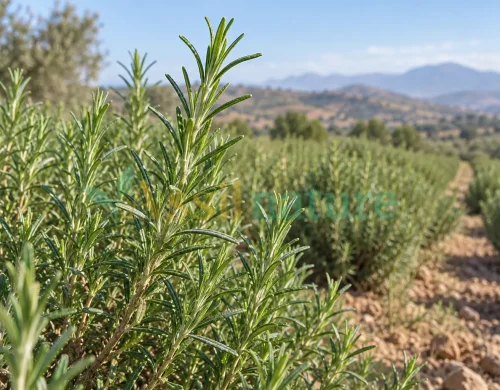
Rosemary Pesticide Residues and EU Compliance: What Buyers Need to Verify
.assil-eu-residues-intro { max-width: 1040px; margin: 0 auto 28px; padding: 30px; color: #30352f; background:...
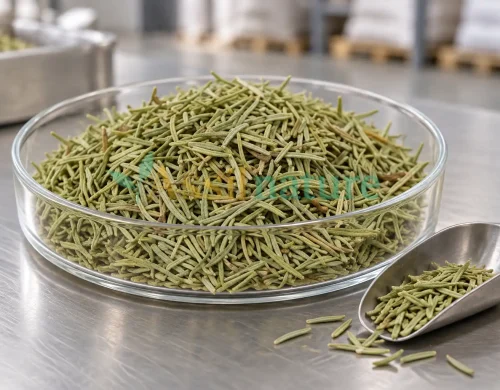
Rosemary Certificate of Analysis: What Bulk Buyers Should Check
.rosemary-coa-intro { max-width: 1040px; margin: 28px auto; color: #30352f; font-family: inherit; line-height: 1.75; }...
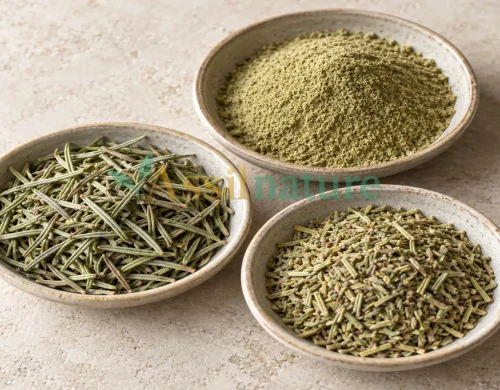
Dried Rosemary Quality Specifications: A Bulk Buyer’s Guide
What Are Dried Rosemary Quality Specifications? Dried rosemary quality specifications define the physical, sensory,...