Mon - Fri: 9:00 - 19:00 GTM


Description
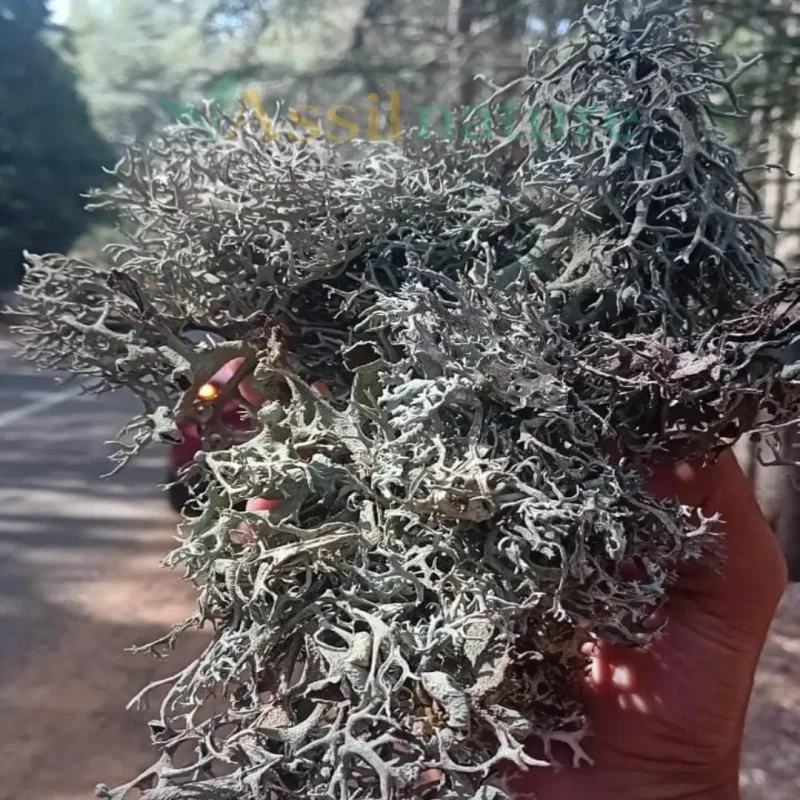
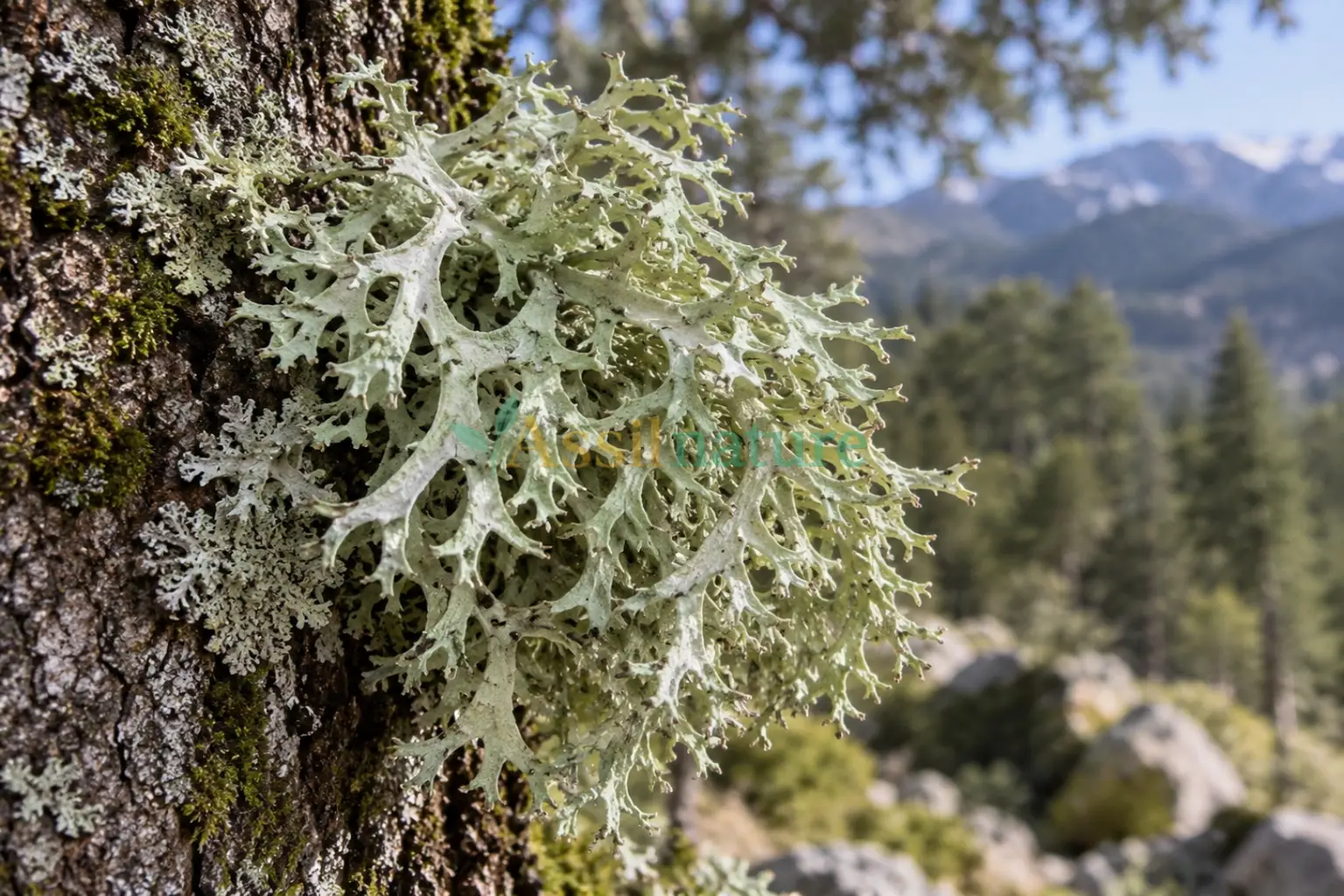
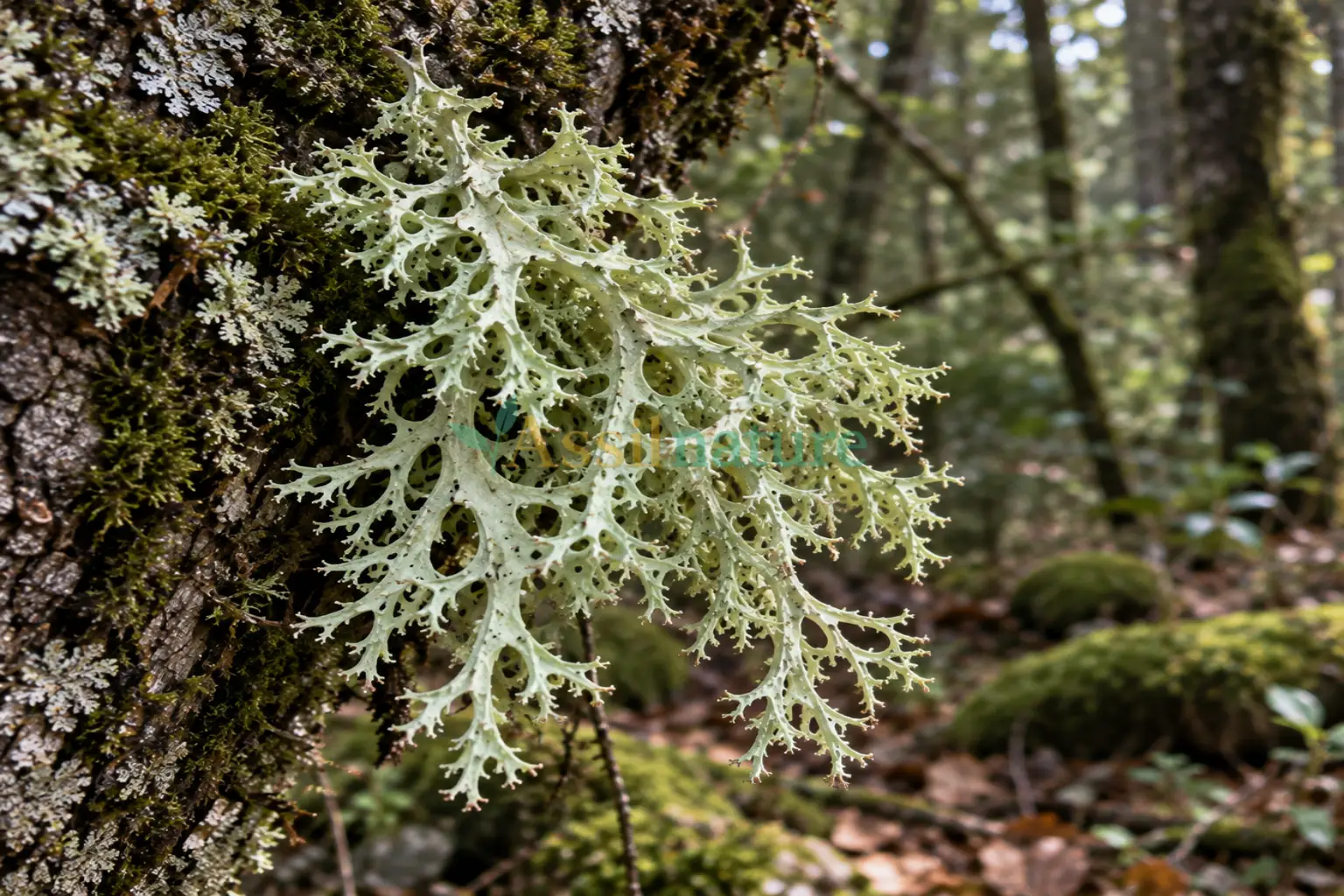
Moroccan Oakmoss is a natural aromatic fragrance lichen sourced for professional perfumery, fragrance processing and botanical extraction applications.
In established fragrance-industry terminology, Oakmoss is principally associated with Evernia prunastri. Because commercial trade names, collection origin and botanical identity are not always equivalent, buyers requiring species-specific material should define botanical verification requirements for the relevant commercial lot.
Assil Nature works with professional buyers seeking Moroccan fragrance lichens for technical evaluation, extraction trials and commercial sourcing.
Product Specifications
| Product Name | Moroccan Oakmoss |
| Botanical Reference | Evernia prunastri |
| Product Type | Natural aromatic fragrance lichen |
| Origin | Morocco |
| Form | Dried natural lichen |
| Preparation | According to lot condition and agreed buyer specification |
| Applications | Fragrance, perfumery, aromatic ingredient processing and botanical extraction |
| Botanical Qualification | Species-specific requirements should be established at lot level where required |
| Samples | Available according to current qualified material and project requirements |
| Commercial Supply | Subject to confirmed lot availability, specification and buyer approval |
| Documentation | Available according to lot, transaction and destination requirements |
Oakmoss and Evernia prunastri
Oakmoss is one of the most established natural lichen raw materials in the history of perfumery. The botanical species principally associated with true Oakmoss is Evernia prunastri.
For industrial sourcing, this distinction matters. A commercial name alone should not automatically be treated as botanical confirmation. Where an extraction company, fragrance ingredient manufacturer or laboratory requires specifically identified Evernia prunastri, that requirement should form part of the lot qualification process.
For a detailed technical discussion, see our guide to
Evernia prunastri extract and Oakmoss processing.
Moroccan Oakmoss Sourcing
Morocco supports diverse forest environments and naturally occurring lichen communities across mountain and woodland ecosystems.
For professional Oakmoss buyers, Moroccan origin is only one part of the sourcing specification. Botanical identity, collection context, physical condition, cleanliness, moisture, sampling and intended industrial use may also need to be considered before commercial approval.
Assil Nature therefore approaches Oakmoss sourcing through lot qualification rather than trade-name assumptions.
Industrial Applications
- Natural fragrance ingredient processing
- Perfumery raw-material applications
- Oakmoss extraction
- Resinoid and extract manufacturing
- Fragrance R&D
- Botanical and aromatic extraction
- Natural ingredient processing
Raw Oakmoss should be distinguished from the processed Oakmoss extract or resinoid produced by specialized extraction companies.
Who Buys Raw Oakmoss?
Moroccan Oakmoss may be relevant to specialist B2B buyers including:
- Fragrance ingredient manufacturers
- Botanical extraction companies
- Perfumery raw-material suppliers
- Natural aromatic ingredient processors
- Importers and distributors
- Fragrance R&D teams
The appropriate material specification can differ substantially between buyers, especially where botanical purity, extraction performance or downstream regulatory requirements are important.
Lot Qualification Before Commercial Supply
For technically sensitive Oakmoss projects, Assil Nature recommends defining the buyer’s requirements before moving from sample evaluation to larger commercial quantities.
Relevant qualification parameters may include:
- Required botanical identity
- Origin
- Physical preparation
- Moisture condition
- Foreign matter
- Representative sampling
- Required analyses
- Packaging
- Expected commercial quantity
Where exclusive Evernia prunastri identity is commercially critical, botanical verification should be established for the relevant material rather than inferred only from appearance, host tree or trade terminology.
Samples & Technical Evaluation
Professional buyers can contact Assil Nature to discuss sample requirements for Oakmoss projects.
Depending on current material and the buyer’s specification, evaluation can include:
- Representative raw-material samples
- Product photographs
- Botanical qualification requirements
- Available analytical information
- Physical specification
- Trial or pilot-extraction requirements
For extraction projects, buyer-side technical evaluation or pilot extraction can provide a more meaningful basis for commercial approval than a generic extraction-yield claim.
Oakmoss for Extraction
Raw Evernia prunastri can serve as feedstock for specialized fragrance extraction processes.
The performance of a commercial lot can depend on both the raw material and the downstream processing route, including preparation, extraction medium, operating conditions, equipment and final ingredient specification.
Assil Nature supplies or sources the raw botanical material; extract production and finished-fragrance ingredient specifications remain downstream processing activities.
Learn more about
Oakmoss resinoid
and
Evernia prunastri extract.
Oakmoss vs Cedarmoss
Oakmoss and Cedarmoss are related through their historical use as fragrance lichens, but they should not be treated as interchangeable botanical materials.
Oakmoss is principally associated with Evernia prunastri.
Cedarmoss has historically been associated with Pseudevernia furfuracea in relevant cedar-related sourcing contexts.
Buyers comparing these materials can review our detailed
Cedarmoss vs Oakmoss guide
or the broader
Oakmoss vs Cedarmoss vs Treemoss comparison.
Quality & Commercial Specification
The term “high-quality Oakmoss” is not a complete industrial specification.
Depending on the intended application, buyers may evaluate:
- Botanical identity
- Origin and traceability
- Foreign matter
- Moisture
- Physical condition
- Lot consistency
- Representative sample quality
- Analytical requirements
The commercial specification should ideally be agreed before larger quantities are prepared.
Oakmoss and Fragrance Regulation
Oakmoss has an important regulatory history in modern fragrance manufacturing, particularly in relation to processed Oakmoss extracts and constituents such as atranol and chloroatranol.
These downstream fragrance and cosmetic requirements should not automatically be interpreted as a prohibition on raw Oakmoss lichen.
Fragrance manufacturers and formulators should consult the applicable current IFRA Standard and destination-market requirements for the processed ingredient and finished product.
For more detail, see our
Oakmoss IFRA restrictions guide.
Packaging & Export Supply
Commercial preparation can be discussed according to the qualified lot, buyer specification, quantity and destination.
Potential requirements may include:
- Bulk packaging
- Compressed packaging where suitable
- Buyer-defined preparation
- Lot identification
- Export documentation
- FOB Morocco quotations
- CFR / CNF / CIF quotations according to destination
Final supply conditions depend on confirmed availability and approved commercial specifications.
Technical Guide to Moroccan Cedarmoss & Oakmoss
For buyers who want to understand botanical identity, Moroccan origin, fragrance-lichen terminology, extraction, quality and industrial sourcing in greater depth, visit our
complete Moroccan Cedarmoss and Oakmoss guide.
FAQ – Moroccan Oakmoss
What is the botanical name of Oakmoss?
Oakmoss is principally associated with Evernia prunastri, an aromatic lichen historically used in perfumery and fragrance extraction.
Is Oakmoss the same as Cedarmoss?
No. Oakmoss is principally associated with Evernia prunastri, while Cedarmoss has historically been associated with Pseudevernia furfuracea in relevant cedar-related fragrance-material contexts.
Do you supply Moroccan Oakmoss in bulk?
Commercial supply can be discussed according to current lot availability, botanical requirements, buyer specifications and quantity. Species-specific projects should be qualified before bulk approval.
Can you provide Oakmoss samples?
Sample requirements can be discussed with professional buyers according to current material availability and the technical specification required for evaluation.
Can you guarantee Evernia prunastri?
Where exclusive Evernia prunastri identity is required, botanical verification should be established for the relevant commercial lot rather than assumed solely from the Oakmoss trade name.
Is raw Oakmoss used for fragrance extraction?
Yes. Raw Oakmoss can serve as botanical feedstock for specialized fragrance extraction processes, including production routes associated with Oakmoss extracts and resinoids.
Is Oakmoss restricted by IFRA?
Processed Oakmoss extracts are subject to IFRA conditions of use according to the applicable product category. These requirements should be distinguished from the sourcing of unprocessed raw lichen.
Can Assil Nature export Oakmoss internationally?
Export possibilities can be reviewed according to confirmed material availability, buyer specification, required documentation, quantity and destination.
Request Moroccan Oakmoss
If your company is sourcing Oakmoss, Evernia prunastri or fragrance lichen for industrial extraction, send us your required botanical specification, sample quantity, commercial volume, quality parameters and destination.
Assil Nature can review current sourcing possibilities and the appropriate qualification route for your project.
Ask via WhatsApp