 Mon - Fri: 9:00 - 19:00 GTM

Salvia rosmarinus vs Rosmarinus officinalis: Are They the Same Rosemary?
Rosemary Botanical Identity
Are Salvia rosmarinus and Rosmarinus officinalis the Same Rosemary?
Direct answer: Yes. Salvia rosmarinus and Rosmarinus officinalis refer to the same rosemary species in modern botanical classification. Salvia rosmarinus is the currently accepted name, while Rosmarinus officinalis remains a widely recognized synonym in trade, scientific literature and technical documentation.
The presence of either name on a product page, specification or Certificate of Analysis does not automatically indicate a different rosemary species, commercial grade or country of origin. In many cases, the difference reflects the date or nomenclature system used when the document was prepared.
For international buyers, the most practical and transparent format is:
Salvia rosmarinus (syn. Rosmarinus officinalis)
This format presents the accepted botanical name while preserving the terminology still familiar to importers, laboratories, manufacturers and regulatory teams.
Why Buyers Encounter Two Botanical Names
Rosemary was historically classified in the genus Rosmarinus and widely documented as Rosmarinus officinalis L. Botanical research later placed rosemary within the broader genus Salvia, resulting in the accepted name Salvia rosmarinus Spenn.
Scientific nomenclature can change when taxonomic evidence supports a different classification. However, commercial documents, pharmacopoeial references, older research papers and supplier databases do not all update at the same time.
As a result, a buyer may encounter:
- Salvia rosmarinus on a modern supplier specification
- Rosmarinus officinalis on an older laboratory method
- Both names on a Certificate of Analysis or technical data sheet
- Rosemary leaf as the commercial or common product name
This variation is not necessarily an error. The important question is whether the supplier can connect the commercial material, botanical identity, plant part and batch documentation clearly.
The Name Does Not Define the Commercial Grade
Botanical identity and commercial quality are related but separate purchasing considerations. The name Salvia rosmarinus identifies the species; it does not establish whether the supplied rosemary is whole, cut, powdered, wild-collected, cultivated or suitable for a particular industrial application.
It also does not independently confirm:
- Country or region of origin
- Leaf-to-stem composition
- Moisture or foreign-matter levels
- Pesticide-residue compliance
- Microbiological quality
- Carnosic acid, carnosol or rosmarinic acid content
- Organic certification or wild-harvest status
These characteristics require a product specification, suitable traceability and, where necessary, batch-specific testing.
How Assil Nature Identifies Moroccan Rosemary
Assil Nature uses Salvia rosmarinus (syn. Rosmarinus officinalis) to identify Moroccan rosemary clearly for both modern botanical references and established commercial terminology.
Our whole dried Moroccan rosemary leaves are presented using both names so that buyers can compare the product with their specifications, procurement systems and laboratory documents.
The same botanical naming principle applies when rosemary is supplied in whole, cut or powdered form. The processing form may change, but the declared botanical species should remain consistent.
What Buyers Should Write in an RFQ
A professional request for quotation should include the accepted name and synonym, followed by the required plant part and physical form.
Example:
Dried rosemary leaves — Salvia rosmarinus (syn. Rosmarinus officinalis) — Moroccan origin — whole leaves — required moisture, pesticide and analytical specifications attached.
This wording reduces ambiguity and helps suppliers evaluate the request according to the actual material, form and quality requirements.
For the complete commercial context covering Moroccan origin, available forms, quality, testing and export supply, consult our complete B2B guide to Moroccan rosemary .
Botanical Classification
Why Did the Botanical Name of Rosemary Change?
For many years, rosemary was classified within the small genus Rosmarinus and identified as Rosmarinus officinalis L. This name became established across horticulture, herbal trade, scientific literature and product documentation.
Later taxonomic research showed that rosemary belongs within the much larger genus Salvia. Maintaining Rosmarinus as a separate genus would not accurately represent those botanical relationships. Rosemary was therefore incorporated into Salvia, and Salvia rosmarinus became the accepted name.
What changed? The scientific classification and accepted botanical name changed. The commercial herb known as rosemary did not become a new plant or a different raw material because of the nomenclature update.
Accepted Name and Botanical Synonym
| Name | Current Status | Practical Use |
|---|---|---|
| Salvia rosmarinus Spenn. | Accepted botanical name | Preferred in updated botanical identification |
| Rosmarinus officinalis L. | Recognized synonym | Still common in trade, research and technical documents |
| Rosemary | Common English name | Used in commercial communication and product descriptions |
A synonym is not necessarily an incorrect name. It is a previously accepted or alternative scientific name that remains connected to the same recognized species.
Why Rosmarinus officinalis Is Still Widely Used
Scientific nomenclature can be updated faster than commercial and regulatory systems. Companies may need time to revise product databases, packaging, laboratory templates and historical documentation.
The older name remains visible in:
- Previously published scientific research
- Laboratory methods and analytical reports
- Buyer specifications and approved-supplier databases
- Herbal monographs and technical references
- Customs, procurement and enterprise systems
- Established product labels and commercial catalogs
For this reason, immediately removing Rosmarinus officinalis from all commercial documentation could create more confusion than clarity. Showing the accepted name followed by its synonym provides a practical transition between modern taxonomy and established trade usage.
What the Name Change Does Not Mean
The botanical reclassification does not mean that:
- Salvia rosmarinus is a premium grade and Rosmarinus officinalis is a lower grade
- The two names represent separate commercial rosemary products
- One name indicates wild rosemary and the other indicates cultivated rosemary
- The accepted name guarantees a particular country or region of origin
- Changing the name establishes a specific chemical composition
- Rosemary has become the same species as culinary sage
Rosemary belongs to the genus Salvia, but it should not be confused with Salvia officinalis, the species commonly traded as sage. Similarity in genus names does not make rosemary and sage the same botanical raw material.
Important Buyer Distinction
Salvia rosmarinus is rosemary. Salvia officinalis is sage. A professional specification should include the complete botanical name rather than relying on the genus Salvia alone.
The Commercial Form Remains a Separate Decision
Once botanical identity has been clarified, the buyer must still select the required physical form. The same rosemary species can be offered as whole dried leaves, cut and sifted material or powder.
Our whole, cut or powdered rosemary buyer’s guide explains how processing form affects visual inspection, manufacturing, particle-size control and total usable cost.
The accepted botanical name identifies the species. The product specification defines the commercial material the buyer will actually receive.
Buyer Documentation
How to Use Rosemary Botanical Names in Specifications and COAs
Botanical nomenclature should help identify the supplied material rather than create unnecessary purchasing confusion. When a buyer and supplier use different accepted or historical names for rosemary, the documents should show the relationship between those names clearly.
For most B2B transactions, the practical identification format is:
Botanical name:
Salvia rosmarinus Spenn.
Synonym:
Rosmarinus officinalis L.
This format allows modern botanical identification to coexist with established buyer specifications, laboratory methods and commercial databases that still use Rosmarinus officinalis.
What Should Appear in a Product Specification?
A rosemary specification should not stop at the botanical name. It should connect the species to the actual commercial material being offered.
| Specification Field | Recommended Information |
|---|---|
| Product name | Moroccan dried rosemary leaves, cut rosemary or rosemary powder |
| Accepted botanical name | Salvia rosmarinus Spenn. |
| Botanical synonym | Rosmarinus officinalis L. |
| Plant part | Leaves or the agreed leaf-and-stem composition |
| Physical form | Whole, cut or powdered |
| Country of origin | Morocco |
| Quality parameters | Moisture, foreign matter, cut size, mesh or other agreed limits |
| Batch identification | Lot or batch reference connected to the supplied material |
Can a COA Use Rosmarinus officinalis?
A Certificate of Analysis that uses Rosmarinus officinalis is not automatically incorrect or obsolete. The name remains a recognized synonym and may still appear in laboratory templates, validated methods and established customer systems.
The buyer should verify whether the COA clearly relates to:
- The correct rosemary product
- The relevant batch or lot
- The declared plant part and physical form
- The agreed analytical parameters
- The required test methods and acceptance limits
Where clarity is required, the laboratory or supplier may present both names. However, documents should not be altered informally after issuance. Any correction should follow the document-control procedure of the issuing organization.
What If the Buyer Specification Uses the Old Name?
A buyer may issue an RFQ or technical specification under Rosmarinus officinalis. The supplier can acknowledge the requested terminology while clarifying that the currently accepted name is Salvia rosmarinus.
Recommended Supplier Wording
The offered material is Moroccan rosemary identified as Salvia rosmarinus Spenn., synonymous with Rosmarinus officinalis L. Please confirm acceptance of the updated botanical nomenclature for your specification and documentation.
This approach respects the buyer’s existing system without suggesting that a different product has been offered.
Consistency Across Commercial Documents
The product description should remain understandable across the quotation, pro forma invoice, packing list, specification and batch documentation. However, each document has a different purpose and may not require the same level of botanical detail.
| Document | Recommended Identification |
|---|---|
| Quotation | Commercial product name, form, origin and botanical identity |
| Product specification | Accepted name, synonym, plant part, form and quality requirements |
| Certificate of Analysis | Botanical identification, batch reference and tested results |
| Commercial invoice | Clear commercial description consistent with the transaction |
| Packing list | Product description, batch reference, packaging and net weight |
The wording used for customs or regulatory documentation may also depend on destination requirements and the responsible authority. Botanical names support product identity, but they do not independently determine customs classification or market authorization.
Avoid Creating a False Conflict Between Names
A supplier should not issue two separate products merely because one customer searches for Salvia rosmarinus and another searches for Rosmarinus officinalis. Doing so can create duplicate records, inconsistent documents and confusion during supplier qualification.
The more reliable approach is to maintain one controlled product identity that records the accepted name and recognized synonym together.
Buyer takeaway: A difference between Salvia rosmarinus and Rosmarinus officinalis on commercial documents should trigger clarification, not an automatic rejection. The buyer should confirm the species, plant part, batch and specification as one connected identity.
For a complete explanation of specifications, analytical reports and batch documentation, see our rosemary COA and laboratory testing guide .
Moroccan Trade Terminology
Moroccan Rosemary, Azir and Botanical Identity
In Morocco, rosemary may be referred to locally as Azir, with spelling variations such as Azir herb appearing in English-language searches and commercial inquiries.
Azir is useful as a local or common trade name, but it should not replace the complete botanical identity in professional documentation. Local names can vary between languages, regions and commercial networks, while the scientific name provides a more consistent international reference.
Recommended identification: Moroccan Rosemary / Azir — Salvia rosmarinus Spenn. (syn. Rosmarinus officinalis L.)
Is Azir a Separate Rosemary Species?
The term Azir should not automatically be interpreted as a separate botanical species, chemical type or commercial grade. In Moroccan trade usage, it commonly refers to rosemary, but a local name alone is not sufficient for formal botanical identification.
A buyer should not assume that the word Azir confirms:
- A specific rosemary variety or subspecies
- Wild or cultivated production
- Atlas or Middle Atlas origin
- Organic certification
- Absence of pesticide residues
- A particular essential-oil profile
- A fixed carnosic acid or rosmarinic acid level
These characteristics require additional sourcing information, traceability, product specifications or analytical results.
Common Name, Botanical Name and Commercial Description
| Identification Level | Example | Purpose |
|---|---|---|
| Local name | Azir | Local communication and sourcing terminology |
| Common English name | Rosemary | International commercial communication |
| Accepted botanical name | Salvia rosmarinus | Modern botanical identification |
| Recognized synonym | Rosmarinus officinalis | Established scientific and commercial terminology |
| Commercial product description | Moroccan whole dried rosemary leaves | Defines origin, form and supplied material |
Why Moroccan Origin Must Be Documented Separately
The scientific name identifies the species, but it does not identify where a commercial batch was harvested or processed. Rosemary of the same species can be produced in several countries.
A claim of Moroccan origin should therefore be supported through commercial traceability and applicable origin documentation. Depending on the transaction, the evidence may include supplier records, batch identification and a Certificate of Origin.
Likewise, the expression “Atlas rosemary” should be treated as a geographic sourcing description rather than a separate scientific species. The exact collection or production area should be confirmed for the relevant commercial lot when regional origin is important to the buyer.
Wild Origin Requires More Than a Local Name
Azir may be collected from natural environments or obtained from cultivated supply. The local name does not distinguish between those sourcing systems.
When a buyer specifically requests wild-harvested Moroccan rosemary, the supplier should clarify:
- Whether the offered batch is wild-collected or cultivated
- The documented sourcing area
- The applicable collection authorization or supply-chain records
- The harvesting and post-harvest preparation method
- Available batch traceability
- Any testing requested for the destination market
Wild origin should not be used as a substitute for analytical compliance. It also should not be presented as certified organic unless the product and supply chain are covered by valid certification.
Avoid Confusing Azir With Similar Local Herbs
Common names can overlap, change in spelling or be interpreted differently by different suppliers. For this reason, an importer should avoid approving botanical material solely from a translated local name or verbal description.
Before commercial approval, the buyer should connect four elements:
- The local or commercial name
- The complete botanical name
- The plant part and physical form
- The relevant sample and batch documentation
Example for a Commercial Specification
Product: Moroccan Rosemary / Azir
Botanical name: Salvia rosmarinus (syn. Rosmarinus officinalis)
Origin: Morocco
Plant part: Leaves or agreed leaf-and-stem profile
Form: Whole, cut or powdered, as specified
Moroccan Origin Adds Context, Not Automatic Proof of Quality
Moroccan origin can be commercially relevant to buyers seeking rosemary from a particular sourcing environment. However, origin alone does not establish the final quality of a commercial batch.
Quality also depends on harvesting, drying, cleaning, sorting, storage, processing and specification control. The actual lot should therefore be evaluated through representative samples and the agreed documentation.
Our dedicated guide to Moroccan rosemary and Azir herb examines local terminology, origin, sourcing context and commercial supply in greater detail.
Technical Buyer Guidance
Does the Botanical Name Determine Rosemary Chemistry or Quality?
The botanical name confirms which species the material is intended to represent. It does not, by itself, confirm chemical strength, active-compound content or suitability for a specific extraction process.
Two commercial batches identified as Salvia rosmarinus may show different analytical results. The variation can reflect growing conditions, plant material, harvesting stage, drying, storage, processing and natural differences between lots.
Key distinction: Botanical identity answers “Which plant is this?” Analytical testing answers “What does this particular batch contain?”
A Name Change Does Not Change the Plant’s Composition
The transition from Rosmarinus officinalis to Salvia rosmarinus represents a change in accepted scientific classification. It does not mean that rosemary suddenly gained or lost particular natural compounds.
Research published under the older name can still be relevant to the same species, provided that the studied botanical material was correctly identified. Buyers reviewing older reports should therefore consider the synonym rather than dismissing the information solely because it uses Rosmarinus officinalis.
However, scientific literature about rosemary in general should not be used as proof of the composition of a supplier’s current commercial batch.
Important Compounds Associated With Rosemary
Rosemary leaves are studied for several naturally occurring compounds. Depending on the analytical objective, buyers and processors may discuss substances such as:
- Carnosic acid
- Carnosol
- Rosmarinic acid
- Ursolic acid
- Other phenolic or diterpenoid constituents
The relevance of each compound depends on the buyer’s application and technical specification. A food, botanical-extract or research buyer may not request the same analytical profile.
The product name “rosemary leaves” does not guarantee a particular percentage of carnosic acid, carnosol or rosmarinic acid. Any minimum requirement must be supported by an agreed test method and results for the applicable commercial lot.
Why Extraction Buyers Need Batch Data
Extraction facilities often qualify rosemary according to more than botanical identity. They may evaluate moisture, plant-part composition, particle size, pesticide requirements and selected active compounds.
For example, a buyer may request rosemary containing a minimum level of carnosic acid measured by HPLC. In that case, identifying the material as Salvia rosmarinus is necessary but not sufficient. The required percentage must be confirmed through analysis connected to the relevant batch.
| Buyer Question | Required Evidence |
|---|---|
| Is the material rosemary? | Botanical identification and supplier controls |
| Which plant part is supplied? | Product specification and physical inspection |
| Does the batch meet the moisture limit? | Batch measurement or COA result |
| Does it meet the carnosic acid requirement? | HPLC result using the agreed method |
| Does it comply with pesticide requirements? | Relevant residue testing against the required limits |
| Is it suitable for the buyer’s extraction process? | Sample evaluation or pilot extraction |
Whole Leaves, Powder and Extract Are Not Equivalent
The botanical name may remain the same across whole leaves, cut rosemary and ground powder, but these forms behave differently during handling and extraction.
A rosemary extract is a different commercial ingredient from dried rosemary leaves or ordinary herb powder. Extract production involves selective processing and concentration. Some extract products may be standardized for selected compounds, while dried botanical material is not automatically standardized.
The buyer should clearly distinguish among:
- Whole dried rosemary leaves
- Cut rosemary raw material
- Mechanically ground rosemary powder
- Rosemary extract or standardized extract powder
- Rosemary essential oil
These products require different specifications, analyses and processing evaluations even when their botanical source is rosemary.
Can Moroccan or Wild Origin Predict Active-Compound Levels?
Moroccan origin or wild collection may provide useful sourcing context, but neither description alone proves a specific active-compound percentage. Origin should not replace batch analysis when chemistry determines commercial acceptance.
The same principle applies to visual appearance and aroma. A strong characteristic aroma or natural green color can support sensory evaluation, but it cannot substitute for HPLC or another required analytical method.
Recommended Qualification Sequence
- Confirm botanical identity and plant part.
- Define the required physical form and specification.
- Review representative samples.
- Agree on analytical parameters and test methods.
- Evaluate performance in the intended extraction process.
- Approve the commercial batch against the agreed requirements.
Our rosemary chemical composition and carnosic acid guide examines key compounds and analytical interpretation in greater detail.
Extraction facilities can also consult our rosemary raw material for extraction guide for specifications, sampling and industrial qualification considerations.
Bulk Buyer Checklist
How Buyers Should Confirm Rosemary Botanical Identity
Botanical identity should be confirmed as part of a wider supplier-qualification process. The scientific name is essential, but it must remain connected to the plant part, physical form, origin, sample and commercial batch.
The following checklist helps buyers avoid approving rosemary based on an incomplete name or generic product description.
Before Requesting a Sample
01
Confirm the Species
Request Salvia rosmarinus and record Rosmarinus officinalis as its recognized synonym.
02
Define the Plant Part
State whether the requirement is for leaves or an agreed composition of leaves and stems.
03
Specify the Form
Identify whether the material should be whole, cut and sifted or mechanically ground into powder.
04
Confirm the Origin
Request the country of origin and any additional regional traceability required for the project.
When Reviewing the Sample
- Compare the sample with the declared product and botanical identity.
- Confirm whether its leaf and stem profile matches the requested grade.
- Evaluate the whole, cut or powdered form against the intended application.
- Check the natural color, characteristic aroma and visible cleanliness.
- Perform a processing, blending, infusion or pilot-extraction trial when relevant.
- Identify which characteristics require laboratory confirmation rather than visual assessment.
When Reviewing the Specification and COA
| Control Point | What the Buyer Should Verify |
|---|---|
| Product identity | The documents refer to the same rosemary material offered and sampled |
| Botanical nomenclature | Salvia rosmarinus and Rosmarinus officinalis are presented as accepted name and synonym |
| Plant part and form | The leaves, stem tolerance, cut or powder are identified clearly |
| Batch connection | The COA and analytical results relate to an identifiable commercial lot |
| Analytical methods | Required methods and reporting units match the buyer’s specification |
| Acceptance limits | Moisture, contaminants and requested compounds meet the agreed limits |
| Origin and traceability | The available records support the declared Moroccan origin and sourcing information |
Recommended RFQ Format
Product: Dried Moroccan Rosemary Leaves
Botanical name: Salvia rosmarinus Spenn. (syn. Rosmarinus officinalis L.)
Plant part: Leaves, with the permitted stem profile stated
Form: Whole, cut or powdered
Origin: Morocco
Quality requirements: Moisture, foreign matter, particle size and required analytical limits
Commercial requirements: Quantity, packaging, destination, Incoterm, documents and required shipment date
When Should a Buyer Request Additional Verification?
Additional botanical or analytical verification may be appropriate when the material has been powdered, the local name is ambiguous, the plant part cannot be inspected clearly or the project has strict regulatory and active-compound requirements.
The level of verification should remain proportionate to the destination, application, quantity and commercial risk. Not every inquiry requires the same analytical program.
Final buyer principle: Use the botanical name to confirm the species, the specification to define the required material, the sample to evaluate suitability and the COA to verify the agreed batch parameters.
Botanical Name Questions
Frequently Asked Questions
Are Salvia rosmarinus and Rosmarinus officinalis the same plant?
Yes. Both names refer to rosemary. Salvia rosmarinus is the currently accepted botanical name, while Rosmarinus officinalis remains a recognized and widely used synonym.
What is the currently accepted botanical name for rosemary?
The currently accepted botanical name is Salvia rosmarinus Spenn. The older name Rosmarinus officinalis L. remains important as a synonym in trade, research and technical documentation.
Why was Rosmarinus officinalis changed to Salvia rosmarinus?
Taxonomic research placed rosemary within the genus Salvia. The classification and accepted name changed, but the commercial herb known as rosemary did not become a different plant because of the nomenclature update.
Is Rosmarinus officinalis now an incorrect name?
It is no longer the currently accepted botanical name, but it remains a recognized synonym. Its presence in older studies, laboratory methods, specifications or commercial records does not automatically make those documents invalid.
Is Salvia rosmarinus the same as Salvia officinalis?
No. Salvia rosmarinus is rosemary, while Salvia officinalis is sage. They belong to the same genus but represent different botanical species and commercial materials.
Does Azir refer to rosemary in Morocco?
Azir is commonly used as a local name for rosemary in Morocco. However, a local name alone should not replace complete botanical identification, plant-part information, origin records and batch documentation.
Can a rosemary COA use the name Rosmarinus officinalis?
Yes. A COA may use the recognized synonym, particularly when the laboratory method or document system retains the older name. The buyer should confirm that the COA relates to the correct product, plant part and commercial batch.
Does the botanical name confirm carnosic acid content?
No. Botanical identity confirms the species, not the percentage of a compound in a particular lot. A carnosic acid requirement should be verified through batch-related analysis using an agreed method such as HPLC.
Does Salvia rosmarinus identify wild or cultivated rosemary?
No. The botanical name identifies the species but does not establish whether the material is wild-collected or cultivated. Sourcing method, location, traceability and requested testing must be confirmed separately.
How should rosemary be named in a buyer specification?
A clear specification can use “Salvia rosmarinus Spenn. (syn. Rosmarinus officinalis L.)” followed by the plant part, physical form, origin and required quality parameters.
Botanical Sources
Scientific References
The botanical-name information in this article is based on recognized plant-taxonomy databases and the scientific publication supporting the inclusion of rosemary within the genus Salvia.
-
Royal Botanic Gardens, Kew — Plants of the World Online.
Salvia rosmarinus Spenn. is listed as the accepted botanical name, with Rosmarinus officinalis L. recorded among its recognized synonyms.
View the botanical record at Kew Science -
Drew, B. T., González-Gallegos, J. G., Xiang, C. L., Kriebel, R.,
Drummond, C. P., Walker, J. B. and Sytsma, K. J. (2017).
“Salvia united: The greatest good for the greatest number.” Taxon, 66(1), 133–145. This taxonomic study supports the placement of the former genus Rosmarinus within Salvia.
Read the taxonomic study -
NCBI Taxonomy — National Center for Biotechnology Information.
The NCBI taxonomy record provides an additional scientific reference for Salvia rosmarinus and its current taxonomic placement.
Consult the NCBI taxonomy record
Commercial note: Scientific nomenclature establishes botanical identity, but batch quality, chemical composition and regulatory conformity must still be verified through the applicable specification, traceability records and laboratory documentation.
Bulk Rosemary Supply
Source Moroccan Rosemary with Clear Botanical Identification
Assil Nature supplies Moroccan rosemary identified as Salvia rosmarinus (syn. Rosmarinus officinalis) for wholesale and industrial requirements. Available documentation and testing requirements can be discussed according to the destination market, intended application and requested batch.
To receive a relevant quotation, specify the required rosemary form, estimated quantity, destination port or country, packaging preference and any analytical parameters that must appear on the COA.
Related Posts
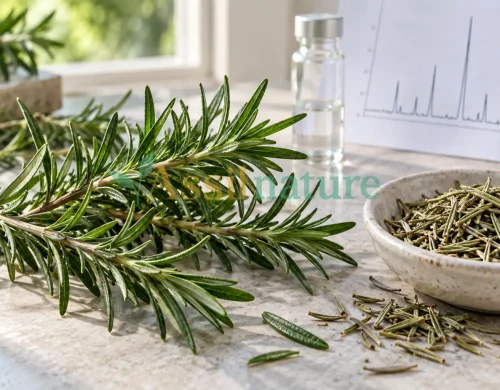
Rosemary Chemical Composition: Carnosic Acid and Key Compounds
What Is the Chemical Composition of Rosemary? The chemical composition of rosemary includes several groups of naturally...
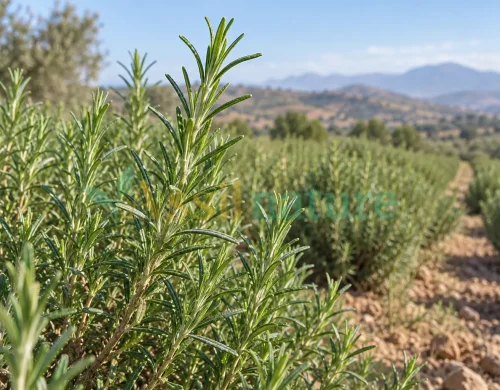
Rosemary Pesticide Residues and EU Compliance: What Buyers Need to Verify
.assil-eu-residues-intro { max-width: 1040px; margin: 0 auto 28px; padding: 30px; color: #30352f; background:...
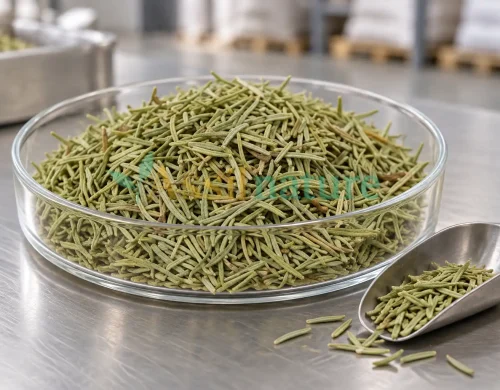
Rosemary Certificate of Analysis: What Bulk Buyers Should Check
.rosemary-coa-intro { max-width: 1040px; margin: 28px auto; color: #30352f; font-family: inherit; line-height: 1.75; }...