 Mon - Fri: 9:00 - 19:00 GTM

Moroccan Cedarmoss: Atlas Mountain Fragrance Lichen for Industrial Sourcing
Moroccan Cedarmoss is a fragrance-lichen raw material associated with the forest environments of Morocco’s Atlas Mountains and with the historical use of aromatic lichens in the perfumery industry.
For professional buyers, however, Cedarmoss should be understood through more than a trade name. Origin, botanical context, host environment, preparation, traceability and the requirements of the intended industrial application all matter when evaluating a commercial lot.
What Is Moroccan Cedarmoss?
In fragrance-industry terminology, Cedarmoss refers to aromatic lichen material historically associated with cedar forest environments and used as a botanical raw material for fragrance extraction.
Morocco is particularly relevant because the Atlas Mountains contain extensive cedar and other forest ecosystems in which fragrance lichens occur naturally. This geographical association has contributed to the commercial identity of Moroccan Cedarmoss within perfumery raw-material sourcing.
Cedarmoss is therefore best understood as a commercial fragrance-lichen designation linked to origin and industrial use. Where a buyer requires a specific botanical species, that requirement should be stated separately and verified for the relevant lot rather than inferred from the trade name alone.
Moroccan Cedarmoss is the commercial sourcing term. Botanical identity is a separate technical specification and should be confirmed when a buyer requires a particular species.
Why Are the Atlas Mountains Important to Cedarmoss Sourcing?
The Atlas Mountains form one of Morocco’s most important forest systems and include environments dominated by Atlas cedar (Cedrus atlantica), pine and other woody hosts.
These forests provide suitable ecological conditions for a variety of lichens, including species that have historical relevance to perfumery. As a result, Atlas origin is not simply a geographical label; it forms part of the sourcing context behind Moroccan fragrance-lichen raw material.
For industrial buyers, the most useful information is not a romantic description of the mountains but a practical record of where the material comes from, how it was collected and prepared, and whether the supplied grade can be reproduced consistently.
Moroccan Cedarmoss can be sourced from forest environments where cedar and other suitable woody hosts support naturally occurring lichens.
Origin becomes commercially useful when it is connected to collection, preparation, lot consistency and the technical requirements of the buyer.
Cedarmoss and Atlas Cedar: An Important Association
Atlas cedar plays a particularly important role in the history and terminology of Cedarmoss. Technical fragrance literature has linked cedar-associated lichen material, especially in the context of Pseudevernia furfuracea growing on Cedrus atlantica, with the Cedarmoss designation.
This association is useful because it helps explain why Morocco and the Atlas cedar forests have a distinctive place in fragrance-lichen sourcing. It should not, however, be transformed into the assumption that every lichen found on cedar is automatically one botanical species.
Host-tree information is therefore best treated as part of origin and traceability. Botanical identity remains a separate question when a buyer’s specification requires species-level confirmation.
Atlas cedar association is commercially meaningful, but host tree alone is not botanical proof. Buyers that require Pseudevernia furfuracea or another specific species should include that requirement in the technical qualification of the lot.
Is Moroccan Cedarmoss Always Pseudevernia furfuracea?
Pseudevernia furfuracea is scientifically documented in Morocco, including Atlas Mountain environments, and it has an established connection with historical Cedarmoss terminology in fragrance literature.
That does not mean every commercial Moroccan Cedarmoss lot should automatically be labelled P. furfuracea. Wild collection can involve different forest locations and natural lichen populations, while commercial terminology is not itself a taxonomic identification method.
A responsible supplier should therefore distinguish between what is documented about the sourcing region and what has been verified for the specific commercial lot.
Origin, collection region, host context where known, preparation grade and commercial sourcing information can be described transparently.
A commercial lot should not be guaranteed as Pseudevernia furfuracea solely because it comes from Morocco, the Atlas Mountains or a cedar forest.
How Does Treemoss Relate to Moroccan Cedarmoss?
Treemoss is an established fragrance-industry term strongly associated with Pseudevernia furfuracea. It appears in technical and historical perfumery literature and is therefore important when interpreting the naming of fragrance lichens.
Cedarmoss, however, has a more specific commercial relevance in the Moroccan Atlas context because fragrance literature has historically associated cedar-hosted Pseudevernia furfuracea, particularly on Cedrus atlantica, with the Cedarmoss designation.
For B2B sourcing, the practical distinction is simple: Treemoss is useful technical and historical terminology, while Moroccan Cedarmoss is the commercial sourcing position presented here. The two terms should not be used in a way that suggests an undefined mixture or makes commercial naming a substitute for botanical verification.
Trade terminology and taxonomy answer different questions. Cedarmoss describes the commercial
fragrance-lichen context, while a scientific name such as Pseudevernia furfuracea should only be applied to a lot when the required level of botanical confidence is available.
Why Is Pseudevernia furfuracea Important in the Cedarmoss Discussion?
Pseudevernia furfuracea is one of the principal lichen species associated with fragrance-industry terminology around Treemoss and Cedarmoss. Its relevance is particularly strong in technical discussions of lichen extracts used in perfumery.
Moroccan scientific research has documented the species in Atlas Mountain environments, including material from different host-tree contexts. This supports the botanical relevance of P. furfuracea to Moroccan fragrance-lichen sourcing.
Nevertheless, regional scientific documentation should not be converted into a lot-level guarantee. A documented species in Morocco is evidence about the country’s lichen flora; it is not proof that every commercial Cedarmoss shipment from Morocco consists exclusively of that species.
For a dedicated species-level discussion of its botanical identity, fragrance relevance and Moroccan context, see our guide to Pseudevernia furfuracea .Scientific records support the occurrence of Pseudevernia furfuracea in Moroccan Atlas environments.
A specific commercial lot should not be guaranteed as Pseudevernia furfuracea merely because it originates from an Atlas forest region.
Why Host-Tree Context Matters — and Where Its Limits Are
Host-tree information can be valuable in fragrance-lichen sourcing because it adds ecological and origin context to the collected material. Cedar, pine and other woody hosts may all form part of the forest environments where aromatic lichens develop.
In the case of Moroccan Cedarmoss, Atlas cedar is especially significant because of its historical link with Cedarmoss terminology. Still, this relationship should be described carefully.
A host tree can support a sourcing description, but it cannot replace botanical identification. The fact that a lichen was collected from cedar does not independently prove a scientific species, and the occurrence of P. furfuracea is not restricted to cedar.
Host-tree context can strengthen the description of collection environment and support documentation of sourcing origin.
A cedar, pine or other host association should not be treated as independent proof of botanical identity.
Why Commercial Naming Can Vary in Traditional Supply Chains
Traditional collection networks often develop practical local names long before botanical taxonomy becomes relevant to commercial trade. As a result, collectors, intermediaries and industrial buyers may not always use the same terminology for the same sourcing context.
In fragrance-lichen trade, this helps explain why historical terms such as Cedarmoss and Treemoss can overlap in industry discussion even though a professional buyer may require more precise botanical or host-origin information for a particular specification.
The correct response is not to force every traditional name into a scientific identity. Instead, the supplier should translate field terminology into a clearer commercial specification: origin, host context where known, preparation grade, physical condition and botanical verification when required.
What Can a Moroccan Cedarmoss Supplier Responsibly Claim?
Scientific precision does not weaken the commercial value of Moroccan Cedarmoss. In fact, it creates a stronger sourcing position because professional buyers can separate what is documented from what still needs to be qualified.
A supplier can responsibly describe Moroccan origin, Atlas forest context, commercial Cedarmoss grade, preparation level and available traceability. Where host-tree information is known, it can also be included as part of the collection record.
If a buyer specifically requires Pseudevernia furfuracea, Evernia prunastri or another defined species, that becomes a technical qualification requirement rather than something that should be assumed from the commercial name.
Moroccan Cedarmoss from Atlas forest environments; collection and host context documented when available; preparation grade clearly described; botanical identity specified when reliably verified or when required by the buyer’s specification.
Claims a Professional Supplier Should Avoid
The following shortcuts can create unnecessary technical risk in a B2B fragrance-lichen transaction:
Morocco can legitimately be presented as a documented origin of Pseudevernia furfuracea and as a commercial source of Cedarmoss for the fragrance industry. What should remain lot-specific is the claim that a particular commercial shipment has been botanically verified as a specific species. This distinction allows buyers to combine Atlas origin, established fragrance terminology, sourcing knowledge and modern botanical specification without confusing commercial naming with taxonomy.
How Is Moroccan Cedarmoss Prepared for Industrial Buyers?
Wild-collected Cedarmoss is not automatically ready for industrial use immediately after collection. Depending on the sourcing environment and buyer specification, the raw material may require drying, sorting and removal of unwanted forest matter before it is suitable for commercial supply.
Preparation is important because industrial buyers are not purchasing only a botanical name or an attractive natural appearance. They are purchasing a defined raw-material grade that must remain sufficiently consistent from sample to shipment.
The appropriate preparation level can vary according to the buyer’s process. Some companies may accept a more natural raw grade and perform additional cleaning themselves, while others may require more thoroughly sorted material before shipment.
There is no useful universal “premium Cedarmoss grade” unless the grade is defined. A professional specification should describe the actual preparation, acceptable foreign matter, moisture condition, packaging and other measurable requirements.
Cleaning and Sorting: What Does the Buyer Actually Receive?
Natural forest collection can introduce material that is not part of the intended lichen feedstock. Depending on the lot, this can include pieces of bark, twigs, needles, soil particles or other plant matter.
Sorting therefore affects more than appearance. It influences the proportion of usable lichen in the delivered weight and can change the true commercial value of two offers that appear similar on a price-per-kilogram basis.
A strong B2B offer should describe the delivered condition honestly. Terms such as “cleaned,” “sorted” or “selected” become more useful when they are connected to a sample or to agreed limits for unwanted material.
Suitable only where the buyer accepts additional natural matter or performs further preprocessing internally.
Sorting and removal of unwanted forest matter are performed to a level agreed with the buyer before shipment.
Why Moisture Matters in Cedarmoss Sourcing
Moisture is a practical commercial parameter because Cedarmoss is sold by weight. A shipment containing more moisture can represent less dry botanical material than another shipment of the same gross weight.
Storage also matters. Material that is not adequately dried or protected from unsuitable storage conditions can become more difficult to handle and may lose consistency before it reaches the buyer.
Instead of inventing a universal moisture limit for Moroccan Cedarmoss, the stronger approach is to agree on the buyer’s acceptable range, measurement method and pre-shipment verification when moisture is a critical specification.
Foreign Matter Is a Commercial Specification, Not a Cosmetic Detail
Foreign matter in a wild botanical raw material should be defined carefully. Bark, twigs or needles are not necessarily the same type of issue as contamination, but they can still reduce the usable proportion of the lot.
This distinction is important for professional purchasing. A buyer may accept a certain amount of natural forest material while rejecting other types of contamination entirely. The specification should make those categories clear.
When comparing Moroccan Cedarmoss suppliers, the buyer should therefore look beyond the quoted price and ask how much preparation has been performed and what the delivered grade actually contains.
Why Representative Sampling Matters Before Bulk Supply
A product photograph can show the general appearance of Cedarmoss, but a representative physical sample provides far more useful information for an industrial buyer.
Through a sample, the buyer can evaluate the preparation level, natural variability, moisture condition, presence of unwanted material and other characteristics relevant to the intended process.
The most important condition is representativeness. A carefully hand-selected sample that cannot be reproduced in the commercial shipment creates little value. The qualified sample should reflect the grade that will actually be supplied at scale.
Do not qualify only the photograph. Qualify the commercial grade. A representative sample should connect directly to the preparation and quality level expected in the future bulk shipment.
Packaging Moroccan Cedarmoss for Commercial Shipments
Packaging should protect the prepared lichen during storage and transport while remaining practical for the buyer’s receiving and processing system. The required format can depend on shipment size, degree of compression and downstream handling.
Compression can improve transport efficiency because dried lichen is relatively bulky. However, the buyer may have preferences regarding bale, bag or compressed-pack format, especially when the material must be opened and fed into an industrial preparation line.
Packaging should therefore be treated as part of the commercial specification rather than chosen independently from the buyer’s logistics and processing requirements.
Bag size and material can be selected according to handling, sampling and receiving requirements.
Larger volumes may benefit from compressed formats when agreed with the buyer and compatible with the receiving process.
Can the Qualified Grade Be Repeated at Ton Scale?
The transition from sample to bulk is one of the most important stages in a botanical raw-material transaction. A small sample may be easy to clean manually, but an industrial buyer needs confidence that the same preparation standard can be maintained across a much larger lot.
Consistency does not mean that a wild lichen must look identical piece by piece. Natural variation is expected. What should remain controlled are the commercial parameters that buyer and supplier have agreed upon.
For recurring supply, this means linking collection, sorting, preparation, packaging and lot identification into a repeatable sourcing program rather than treating each shipment as an unrelated purchase.
The goal is not visual uniformity; it is commercial consistency. A repeatable Moroccan Cedarmoss supply program should reproduce the agreed preparation, acceptable natural variation, packaging and lot-level qualification at the volume required by the buyer.
Who Buys Moroccan Cedarmoss?
Moroccan Cedarmoss is primarily relevant to professional fragrance and botanical-processing supply chains rather than to the consumer perfume market. The raw lichen is typically sourced as an industrial botanical material that will undergo further processing before becoming part of a finished fragrance ingredient or formulation.
Potential buyers can include fragrance-ingredient manufacturers, extraction companies, botanical processors, raw-material distributors, specialized importers and procurement teams sourcing natural aromatic materials for industrial applications.
These buyers may evaluate the same Moroccan origin differently. One company may prioritize botanical identity, another may focus on preparation and consistency, while another may require a particular packaging format, analytical documentation or trial quantity before approving larger volumes.
Extraction companies evaluating the raw material can continue with our dedicated guide to Cedarmoss for extraction , including feedstock qualification, sampling, pilot extraction and bulk sourcing.Companies processing natural aromatic raw materials into ingredients for professional fragrance applications.
Industrial processors qualifying lichen as feedstock for their own extraction and downstream manufacturing systems.
Specialized companies consolidating, importing or distributing fragrance and botanical raw materials.
What Should a Cedarmoss RFQ Include?
A useful request for quotation should contain more than the words “Cedarmoss price.” The clearer the technical and commercial requirement, the easier it becomes to determine whether the available Moroccan material is suitable for the buyer’s intended application.
Species-specific requirements are especially important. If the purchasing specification requires Pseudevernia furfuracea, that requirement should be stated explicitly rather than assumed from the commercial Cedarmoss name.
From Sample to Commercial Cedarmoss Supply
For a new industrial relationship, qualification can begin with a representative sample rather than an immediate large-volume commitment. The buyer can then determine whether the material fits its internal requirements before discussing a larger commercial program.
Where additional technical evaluation is required, the next step may involve an agreed trial lot. This provides a more realistic test of preparation, handling and consistency than a small laboratory sample alone.
Once the material and specification are accepted, discussions can move toward recurring bulk supply based on expected volume, preparation, packaging, documentation and shipment requirements.
Define product and requirements.
Evaluate representative material.
Confirm technical suitability.
Validate the commercial grade.
Scale the approved specification.
Atlas Origin Is Valuable — but It Should Not Become a Chemical Claim
The Atlas Mountains provide Moroccan Cedarmoss with a meaningful geographical and sourcing identity. Cedar forests, altitude, climate and natural forest conditions are all relevant to understanding where the raw material originates.
However, geographical origin alone should not be used to guarantee a particular chemical composition, extraction yield or olfactory performance. Those characteristics can depend on multiple biological and processing variables and should be evaluated with appropriate evidence when they form part of a buyer’s specification.
This distinction strengthens rather than weakens Moroccan origin. Atlas provenance can be presented confidently as provenance; analytical or performance claims can then be supported separately where relevant.
Atlas origin describes where the Cedarmoss comes from. It should not automatically be converted into claims about species, chemistry, extraction yield or superior fragrance performance without the evidence required to support those claims.
Building a Reliable Moroccan Cedarmoss Supply Program
For industrial buyers, long-term sourcing depends on more than locating wild lichen. A reliable supply program connects collection knowledge with preparation, lot management, representative sampling, packaging and communication of the buyer’s technical requirements.
Moroccan field knowledge is particularly valuable at this stage. Understanding collection areas, forest environments, seasonal or logistical conditions and the practical organization of raw-material preparation can help convert a traditional supply chain into a more structured industrial one.
The strongest commercial model combines that local sourcing knowledge with modern buyer qualification: clearly defined product terminology, realistic specifications, representative samples and lot-level documentation where required.
From Atlas Sourcing Knowledge to Buyer-Defined Specification
Assil Nature approaches Moroccan Cedarmoss as an industrial fragrance raw material rather than relying only on a traditional trade name. Commercial discussions can therefore begin with origin and available material, then move toward the preparation grade, sample, botanical or analytical requirements, packaging and volume defined by the buyer.
Moroccan Cedarmoss: Origin, Knowledge and Industrial Specification
Moroccan Cedarmoss occupies an interesting position between traditional fragrance-lichen terminology and modern industrial sourcing. Its Atlas Mountain origin provides a distinctive geographical context, while the history of cedar-associated fragrance lichens explains the commercial relevance of the Cedarmoss name.
Professional sourcing requires an additional layer of precision. Commercial naming should be separated from verified botanical identity, host-tree information should support rather than replace identification, and quality should be expressed through buyer-defined specifications rather than broad claims.
For fragrance-industry buyers, this creates a more useful sourcing model: Moroccan Atlas origin, transparent Cedarmoss terminology, representative qualification and a commercial grade designed around the requirements of the intended industrial supply chain.
For the broader scientific and industrial framework connecting Moroccan origin, Oakmoss, botanical identity, extraction, quality and B2B procurement, explore our complete guide to Moroccan Cedarmoss and Oakmoss .
Moroccan Cedarmoss: Buyer Questions
What is Moroccan Cedarmoss?
Moroccan Cedarmoss is a commercial fragrance-lichen raw material associated with Morocco’s Atlas forest environments and the historical use of cedar-associated aromatic lichens in perfumery. The commercial name should be distinguished from a verified botanical identification of a specific lot.
Where does Moroccan Cedarmoss come from?
Moroccan Cedarmoss is associated with Atlas Mountain forest environments, including areas where Atlas cedar (Cedrus atlantica) and other woody hosts occur. The precise collection region and host context can be documented where available.
Is Moroccan Cedarmoss always Pseudevernia furfuracea?
No automatic species claim should be made from the commercial name alone. Pseudevernia furfuracea is scientifically documented in Morocco and is historically relevant to Cedarmoss terminology, particularly in Atlas cedar contexts. However, a specific commercial lot should be identified at species level only when the appropriate botanical verification supports that claim.
What is the relationship between Cedarmoss and Treemoss?
Treemoss is an established fragrance-industry term strongly associated with Pseudevernia furfuracea. Historical fragrance terminology has also associated cedar-hosted material, particularly in the Atlas cedar context, with Cedarmoss. These trade terms can therefore overlap historically, but they should not be treated as proof that every commercial lot has the same botanical identity.
Is Cedarmoss the same as Oakmoss?
No. Oakmoss is primarily associated with Evernia prunastri. Cedarmoss has a different commercial and historical context, including an important association with cedar-hosted fragrance lichens. Evernia prunastri and Pseudevernia furfuracea are distinct botanical species.
Does Cedarmoss grow only on Atlas cedar?
Cedarmoss terminology has an important historical association with cedar-hosted fragrance lichen, but host-tree context should not be interpreted as a universal botanical rule. Relevant lichen species can occur on different suitable woody hosts.
Can the host tree identify the botanical species?
No. Host-tree information is valuable for origin and traceability, but it does not independently prove botanical identity. If a buyer requires a particular species, that requirement should be included explicitly in the qualification of the commercial lot.
What is Moroccan Cedarmoss used for?
Moroccan Cedarmoss is relevant primarily as an industrial botanical raw material for fragrance and extraction supply chains. The raw lichen can undergo further processing before becoming a fragrance ingredient used in professional perfumery applications.
How should Cedarmoss be prepared for industrial supply?
Preparation can include drying, sorting and removal of unwanted forest matter according to the buyer’s specification. There is no useful universal grade unless parameters such as preparation level, foreign matter, moisture and packaging are clearly defined.
Why does moisture matter when buying Cedarmoss?
Cedarmoss is purchased by weight, so moisture can influence the amount of dry botanical material represented by the shipment. Moisture also matters for storage and handling. Where it is critical, buyer and supplier should agree on an acceptable range and measurement method.
What foreign matter can occur in wild-collected Cedarmoss?
Natural forest collection can introduce bark, twigs, needles, soil particles or other plant matter. These should be distinguished from other forms of contamination and managed according to the preparation grade and limits agreed with the buyer.
Should industrial buyers request a Cedarmoss sample?
Yes. A representative sample allows the buyer to evaluate preparation, natural variability, physical condition and other relevant characteristics before larger-volume sourcing. The sample should represent the commercial grade that can actually be supplied.
Does Atlas origin guarantee better chemistry or extraction yield?
No. Atlas origin is valuable geographical and sourcing information, but it does not by itself guarantee a specific chemical composition, extraction yield or olfactory performance. Such characteristics should be supported by appropriate analytical or process-specific evidence when required.
Can Assil Nature supply Moroccan Cedarmoss in bulk?
Assil Nature works with Moroccan Atlas-origin Cedarmoss for industrial B2B supply. Buyers can specify required preparation, representative sample, botanical or analytical requirements, packaging and expected commercial volume so the available lot can be evaluated against the intended specification.
References
1. Joulain, D. & Tabacchi, R. (2009).
Lichen extracts as raw materials in perfumery. Part 1: Oakmoss.
Flavour and Fragrance Journal, 24, 49–61.
DOI: 10.1002/ffj.1916.
2. Joulain, D. & Tabacchi, R. (2009).
Lichen extracts as raw materials in perfumery. Part 2: Treemoss.
Flavour and Fragrance Journal, 24, 105–116.
DOI: 10.1002/ffj.1923.
3. British Lichen Society.
Species information and identification resources for
Pseudevernia furfuracea and Evernia prunastri,
including morphology, habitat and host-tree context.
4. Moroccan scientific literature on
Pseudevernia furfuracea.
Studies documenting the occurrence of
Pseudevernia furfuracea in Atlas Mountain environments,
including material associated with different woody hosts.
5. European Commission scientific opinions on Oakmoss and Treemoss extracts.
Scientific assessments distinguishing Oakmoss extracts derived from
Evernia prunastri from Treemoss materials primarily associated
with Pseudevernia furfuracea.
6. IFRA Standards and technical documentation.
Industry documentation relevant to lichen-derived fragrance ingredients,
downstream fragrance use and modern safety requirements.
Cedarmoss is discussed in this article as a fragrance-industry commercial term, while botanical names are used according to scientific literature. The documented occurrence of a species in Morocco, association with Atlas cedar or use of a traditional trade name should not be interpreted as automatic botanical verification of an individual commercial lot. Species-specific claims should remain lot-specific when required by the buyer’s specification.
Looking for Moroccan Cedarmoss Raw Material?
Assil Nature works with Moroccan Atlas-origin Cedarmoss for industrial fragrance and extraction supply chains. Buyers can define the required preparation grade, sample, packaging, commercial volume and technical qualification requirements for the intended application.
If the specification requires a particular botanical species, including Pseudevernia furfuracea, this requirement should be stated during qualification so the available commercial lot can be evaluated accordingly.
Related Posts

Moroccan Cedarmoss: Atlas Mountain Fragrance Lichens for Industrial Sourcing
Industrial Raw Lichen · Extraction Feedstock · B2B Sourcing Cedarmoss for extraction refers to raw fragrance lichen sourced and prepared as...
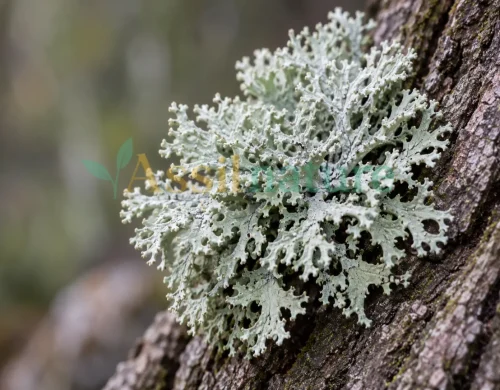
Pseudevernia furfuracea: Cedarmoss for Perfumery and Industrial Extraction
Pseudevernia furfuracea: Cedarmoss for Perfumery and Industrial Extraction Botanical Identity & Industrial Fragrance Use Pseudevernia...
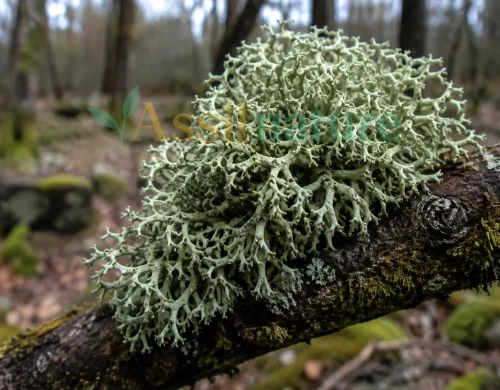
Oakmoss IFRA Restrictions: Atranol, Chloroatranol and Fragrance Safety
Oakmoss · IFRA · Fragrance Safety Oakmoss has played an important role in perfumery for generations, particularly in mossy, woody and...