 Mon - Fri: 9:00 - 19:00 GTM
How Sun Exposure Affects Essential Oil Concentration (Industrial Guide)
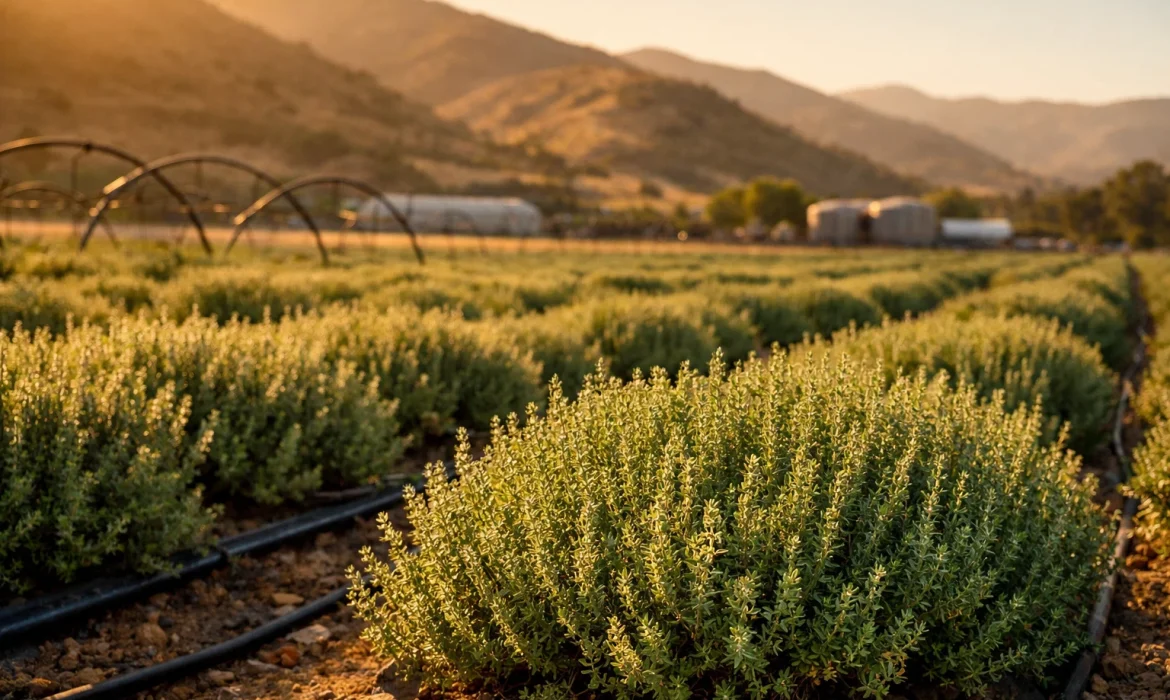
In industrial botanical sourcing, essential oil concentration is not a “nice-to-know” it’s a measurable factor that can affect extraction yield, aroma intensity, chemotype stability, and batch consistency. One of the strongest drivers behind those differences is sun exposure.
At Assil Nature, we work within a Mediterranean environment where sunlight intensity and seasonal patterns can shape the chemistry of aromatic plants.
This guide explains how and why sunlight changes essential oil concentration, and what that means for manufacturers buying Moroccan medicinal herbs in bulk.
If you’re building a sourcing strategy around Moroccan botanicals, start with our guide: Moroccan Medicinal Herbs Guide
.
Why this matters for B2B buyers
- Extraction yield: concentrated oils can reduce the raw material volume needed per kg of extract.
- Terpene profile stability: sunlight influences key compounds (e.g., thymol, carvacrol, cineole, linalool).
- Quality control: UV + heat + water stress can change aroma and oxidation sensitivity.
- Supplier consistency: understanding sun exposure helps interpret seasonal variation in COA results.
The science of essential oil formation
Essential oils are secondary metabolites. Plants do not produce them for basic nutrition; they produce them to adapt to their environment.
In aromatic crops, these volatile compounds can help with UV protection, pest resistance, and microbial defense.
Sun exposure can influence essential oils through three main mechanisms:
- Photosynthetic energy: sunlight increases photosynthesis, providing more energy for metabolite synthesis.
- Stress signaling: UV and heat trigger defensive pathways that can increase certain terpenes.
- Gland development: strong sun conditions can affect the density and activity of oil glands (trichomes).
The key is balance: moderate stress can increase concentration, but excessive heat/UV can degrade delicate volatiles and reduce overall biomass.
That’s why professional sourcing focuses on both yield and profile.
Sunlight intensity: Moderate vs. Strong Sun Exposure
The intensity, duration, and seasonal pattern of sun exposure create measurable differences in oil yield and terpene profile.
Moderate Sun Exposure
In regions with balanced sunlight and mild temperatures, aromatic plants often produce:
- Stable biomass growth
- Balanced terpene composition
- Lower phenolic intensity
- More subtle aromatic profile
These conditions are typically found in temperate or northern European climates where UV intensity is lower and drought stress is minimal.
Strong Mediterranean Sun Exposure
In Mediterranean climates like Morocco, long daylight hours and high UV levels create a different biochemical response.
Plants adapt by increasing protective compounds, many of which are components of essential oils.
- Higher glandular trichome density
- Increased phenolic compounds (e.g., thymol, carvacrol)
- More intense aromatic profile
- Higher oil concentration per dry weight (in many species)
This is one reason why Moroccan thyme, rosemary, and oregano are often valued in international markets.
You can explore more about regional plant advantages in our
Moroccan Medicinal Herbs Guide
.
UV Radiation and Essential Oil Chemical Composition (Chemotypes)
Sun exposure does not only influence the quantity of essential oil.
It can also affect the chemical composition — particularly the balance of dominant compounds.
In aromatic crops, UV radiation stimulates stress-response pathways that alter terpene biosynthesis.
Examples of Sun-Influenced Compounds
- Thyme: Thymol concentration may increase under higher UV stress.
- Oregano: Carvacrol levels can shift depending on sunlight intensity.
- Rosemary: 1,8-Cineole and camphor ratios may vary by exposure.
- Lavender: Linalool and linalyl acetate balance may fluctuate seasonally.
These variations create what are known as chemotypes — plants of the same species but with different dominant chemical compounds.
For B2B buyers, this means origin and sun exposure conditions are not cosmetic details.
They directly influence:
- Antimicrobial activity
- Flavor intensity
- Therapeutic applications
- Extraction efficiency
Professional sourcing requires understanding seasonal sun patterns and how they translate into COA variability.
Sun Exposure, Water Stress, and Essential Oil Concentration
Sun exposure rarely acts alone. In Mediterranean environments, strong sunlight is often accompanied by controlled water stress.
The interaction between solar radiation and irrigation management plays a decisive role in essential oil concentration.
Moderate Water Stress Effect
When aromatic plants experience moderate drought conditions combined with high sun exposure, they activate stress-defense mechanisms.
This frequently leads to:
- Increased terpene synthesis
- Higher oil concentration per gram of dry matter
- Stronger phenolic compound expression
However, excessive stress may reduce biomass yield and overall harvest volume.
The goal in professional cultivation is controlled stress — not uncontrolled dehydration.
At industrial level, experienced producers carefully balance:
- Drip irrigation cycles
- Soil mineral management
- Seasonal sun exposure intensity
- Pre-harvest moisture levels
Daily Fluctuation: When Does Essential Oil Concentration Peak?
Essential oil concentration is not constant throughout the day.
Sunlight triggers metabolic activity that can fluctuate between morning and midday.
Morning Harvest
- Lower evaporation losses
- Better volatile preservation
- Reduced oxidative degradation
Midday Harvest
- Peak photosynthetic activity
- Maximum metabolic production in certain species
- Higher oil concentration in some aromatic crops
Professional farms often conduct small-batch lab testing to determine the optimal harvesting window for each species.
This ensures maximum oil yield while maintaining chemical stability.
Seasonal Sun Exposure and Annual Oil Variation
Beyond daily fluctuations, seasonal sun exposure significantly impacts essential oil concentration.
Summer months in high-sun regions often produce:
- More concentrated aromatic compounds
- Higher phenolic percentages
- Stronger antimicrobial properties
Spring harvests may offer:
- More delicate aromatic balance
- Lower phenolic harshness
- Preferred profile for cosmetic formulations
For B2B buyers, this highlights the importance of:
- Seasonal sourcing transparency
- COA comparison across harvest cycles
- Understanding regional climate patterns
Post-Harvest Handling: Preserving Sun-Induced Essential Oil Concentration
Sun exposure may increase essential oil concentration in the field, but poor post-harvest handling can quickly destroy that advantage.
After harvest, aromatic plants remain chemically active. Improper drying, excessive heat, or prolonged UV exposure may cause:
- Oxidation of volatile compounds
- Loss of top-note aromatics
- Reduction in terpene stability
- Color degradation
Controlled Drying vs. Open Sun Drying
Open sun drying may seem traditional, but extended UV exposure can degrade delicate essential oil fractions.
Controlled drying environments allow:
- Temperature regulation
- Airflow optimization
- Moisture balance control
- Protection from excessive UV degradation
This ensures that the natural advantage gained from Mediterranean sun exposure is preserved rather than compromised.
Sun Exposure and Industrial Extraction Efficiency
For manufacturers, essential oil concentration directly affects extraction economics.
Higher concentration plants may result in:
- Improved steam distillation yield
- Reduced raw material consumption
- More efficient CO2 extraction
- Stronger aromatic intensity in finished products
However, extremely high phenolic content may require careful handling depending on the intended application (cosmetic vs. pharmaceutical vs. flavoring).
This is why origin, climate data, and harvest documentation should be part of any professional sourcing agreement.
Mediterranean vs. Cooler Climate: A Comparative Overview
| Factor | Mediterranean Climate | Cooler / Northern Climate |
|---|---|---|
| Annual Sun Hours | High | Moderate |
| UV Intensity | Strong | Lower |
| Oil Concentration (per dry weight) | Often Higher | Moderate |
| Phenolic Compounds | Elevated in some species | Balanced |
| Biomass Yield | Slightly Lower | Often Higher |
Both climates have advantages.
Mediterranean regions may produce more concentrated oils,
while cooler climates may offer larger biomass yield.
The optimal sourcing strategy depends on your formulation goals,
regulatory requirements, and target chemical profile.
Strategic Buyer Checklist: Evaluating Sun Exposure Impact Before Purchasing
For industrial buyers sourcing aromatic plants or essential oil raw material, understanding sun exposure conditions can improve purchasing decisions and long-term consistency.
Before finalizing a supplier, consider asking:
- What is the average annual sun exposure in the cultivation region?
- Is irrigation controlled to avoid excessive drought stress?
- Are harvest months documented for each batch?
- Is there seasonal COA comparison available?
- What drying method is used post-harvest?
These questions reduce variability risks and help maintain formulation stability. For a broader understanding of Moroccan aromatic sourcing, explore our main resource: Moroccan Medicinal Herbs Guide
.
Strategic Buyer Checklist: Evaluating Sun Exposure Impact Before Purchasing
For industrial buyers sourcing aromatic plants or essential oil raw material, understanding sun exposure conditions can improve purchasing decisions and long-term consistency.
Before finalizing a supplier, consider asking:
- What is the average annual sun exposure in the cultivation region?
- Is irrigation controlled to avoid excessive drought stress?
- Are harvest months documented for each batch?
- Is there seasonal COA comparison available?
- What drying method is used post-harvest?
These questions reduce variability risks and help maintain formulation stability.
Frequently Asked Questions
Why is supplier selection critical in herbal trade?
Supplier selection directly influences quality consistency, oil concentration stability, documentation accuracy, and regulatory compliance. A structured supplier evaluation reduces sourcing risk, ensures traceability, and supports long-term commercial scalability.
Does more sun always increase essential oil concentration?
Not necessarily. Moderate sun exposure combined with controlled water stress can stimulate secondary metabolite production and enhance oil concentration. However, excessive heat and intense UV radiation may degrade volatile compounds, reduce biomass yield, and alter terpene balance.
Why are Mediterranean herbs often more concentrated?
Mediterranean climates provide high solar intensity, mineral-rich soils, and seasonal drought stress. These environmental conditions stimulate terpene biosynthesis and phenolic compound production, often resulting in higher essential oil concentration compared to low-stress climates.
Can essential oil composition change seasonally?
Yes. Seasonal variations in sunlight duration, temperature, and water availability influence terpene ratios and phenolic levels. For industrial buyers, documented harvest timing is essential to maintain chemical profile consistency between batches.
Does drying method affect sun-induced oil concentration?
Absolutely. Improper drying can oxidize or degrade essential oils, especially monoterpenes. Controlled drying at regulated temperatures preserves the natural concentration developed during cultivation and prevents loss of volatile compounds.
Is higher oil concentration always better?
Not always. The optimal oil concentration depends on the final application. Pharmaceutical extraction may prioritize high phenolic or active compound content, while cosmetic and aromatherapy formulations often require balanced aromatic profiles rather than maximum intensity.
Who benefits most from a structured supplier evaluation process?
Importers, procurement departments, private label brands, and manufacturers benefit from structured evaluation. It ensures predictable sourcing, regulatory alignment, and scalable long-term partnerships.
Sun Exposure as a Strategic Sourcing Variable
Sun exposure is not just an environmental factor it is a strategic variable in essential oil production.
It influences:
- Oil concentration
- Chemical composition
- Extraction yield
- Batch consistency
Understanding how sunlight interacts with cultivation practices allows buyers to make informed decisions when sourcing aromatic plants in bulk.
At Assil Nature, climate knowledge, cultivation transparency, and post-harvest control are integrated to ensure consistent quality control for international B2B partners.
Looking for High-Concentration Moroccan Aromatic Herbs?
At Assil Nature, we work with carefully selected cultivation zones
where sun exposure, harvest timing, and post-harvest control
are optimized for industrial extraction performance.
Contact our sourcing team to request:
- Batch COA samples
- Seasonal harvest documentation
- Bulk pricing quotation
- Custom specification matching
Related Posts
Moroccan Medicinal Herbs in Global Trade
The global trade of medicinal herbs has expanded significantly as international buyers seek reliable natural ingredients with consistent...
How to Choose the Right Moroccan Herbal Supplier for Global Trade
Choosing the right Moroccan herbal supplier is a critical decision for global buyers operating in regulated and competitive markets. Supplier...
Traditional Uses of Moroccan Medicinal Herbs: Cultural Roots and Modern Relevance
The traditional uses of Moroccan herbs reflect centuries of accumulated knowledge shaped by geography, climate, and cultural exchange. Across...